Hachimantai Resort: Your Complete Guide to Iwate’s Hidden Ski Haven
Tucked away in the shadow of the majestic Mt. Iwate, Hachimantai Resort offers a serene and authentic Japanese ski experience far from the crowded international hubs. While it may not have the global fame of Niseko or Nozawa Onsen, this hidden gem in Iwate Prefecture provides a perfect blend of accessible terrain, deep snow, and a relaxed atmosphere.
With a vertical drop of 550 metres, a summit elevation of 1,130 metres, and an average snowfall of 7 metres per year, Hachimantai punches above its weight class. Whether you are a family with first-timers or an advanced skier looking to dip into tree runs, this resort has something special to offer. Here is your complete guide to skiing and
snowboarding at Hachimantai.
Resort Stats at a Glance
- Base Elevation: 580 m
- Summit Elevation: 1,130 m
- Vertical Drop: 550 m
- Skiable Terrain: 18 km
- Annual Snowfall: 7 m
- Total Trails: 19
- Lift System: 6 Lifts
Terrain Breakdown: Which Side is Right for You? A Guide to Panorama vs. Shimokura
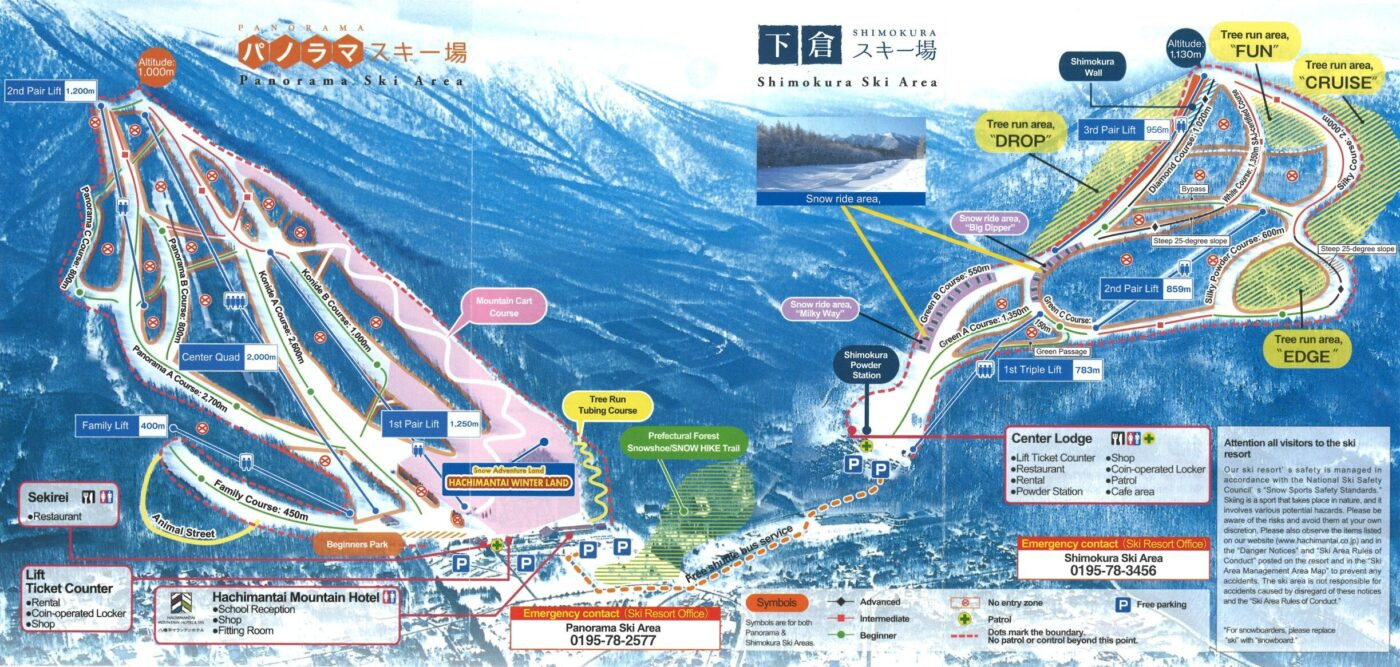
One of the unique aspects of Hachimantai is its clear division of terrain across its two areas: Panorama and Shimokura. The slope composition is perfectly balanced for progression:
- 40% Beginner
- 30% Intermediate
- 30% Advanced
(Note: The resort focuses on beginner to advanced terrain, with expert-level challenges primarily found in the off-piste tree zones during deep conditions.)
The On-Mountain Experience: Base Facilities & Lift Operations
Hachimantai keeps things simple and efficient, focusing on the quality of the snow and the trails.
- Lifts: A network of 6 lifts services the terrain, with the high-speed quad at Panorama being the workhorse for lapping the groomers.
- Facilities:
- Panorama Base: Features a main building for rentals, retail, and lockers. The adjacent Sekirei café is a great spot for a break.
- Shimokura Base: The Center Lodge offers a ticket office, rentals, a ground-floor café, and an upper-level restaurant with two large dining areas for lunch.
- Note: There is no food available on the mountain itself, so plan your meals around the base lodges.
- Free Shuttle: Both bases are accessible via a complimentary and frequent shuttle (less than 10 minutes).
How to Get There: From Tokyo to Powder: The Easiest Way to Reach Iwate
Hachimantai is surprisingly accessible, making it viable for a day trip or a longer stay.
- By Car (Recommended): From the city of Morioka, it is a straightforward 45-minute drive on well-maintained roads. A 4-wheel drive vehicle with winter tires is mandatory to safely navigate the snowy conditions.
- By Public Transport: Take the Tohoku Shinkansen from Tokyo to Morioka Station (approx. 2 hours). From Morioka Station, a bus will take you directly to the resort in about 90 minutes.
Panorama Area: The Perfect Playground for Beginners and Families
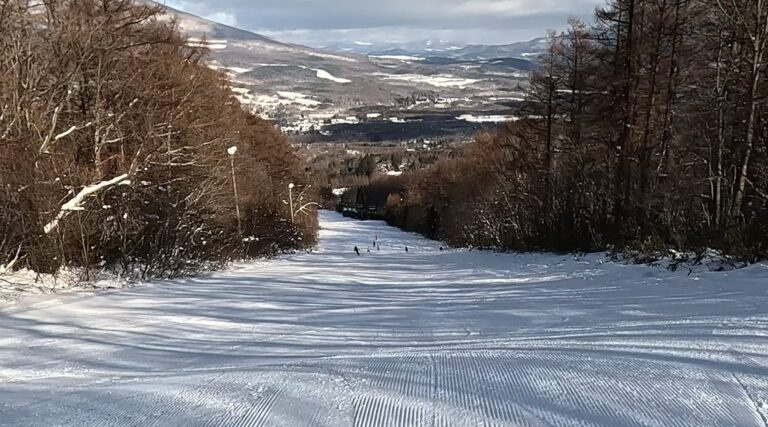
The Panorama area is the heart of the resort’s family-friendly atmosphere. Located right next to the on-site hotel, this zone is designed for comfort and progression.
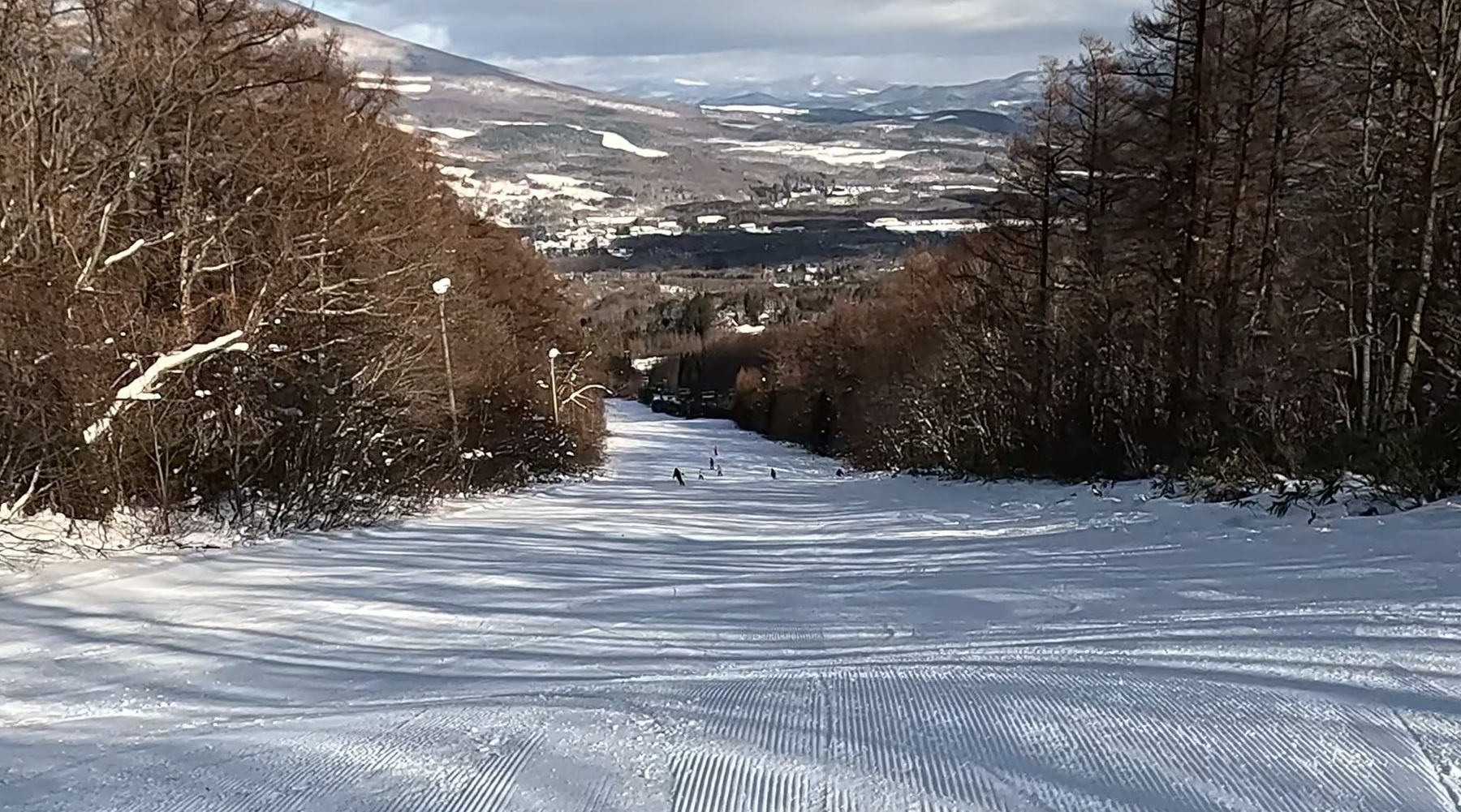
- For Beginners: The lower lifts provide access to wide, forgiving trails like the Family and Konide courses. These are ideal for building confidence. As skills improve, hop on the centre quad express lift to access long green runs like the Panorama course, offering stunning views without the steep pitches.
- For Intermediates: Panorama is the best place to “lay down carving turns” and rack up vertical stats. The express lift allows for quick laps on long, sweeping trails.
- Non-Ski Activities: This is also the hub for family fun off the snow, featuring mountain cart and tubing areas, making it easy for parents to swap skiing for other activities.
Shimokura Area: The Advanced Rider’s Domain
For those seeking steeper pitches and more challenging terrain, the Shimokura area is where you will want to spend your time. This side offers more elevation gain and exposure.
- For Intermediates: The upper lifts open up engaging trails with natural rollers and varied pitches that keep things interesting.
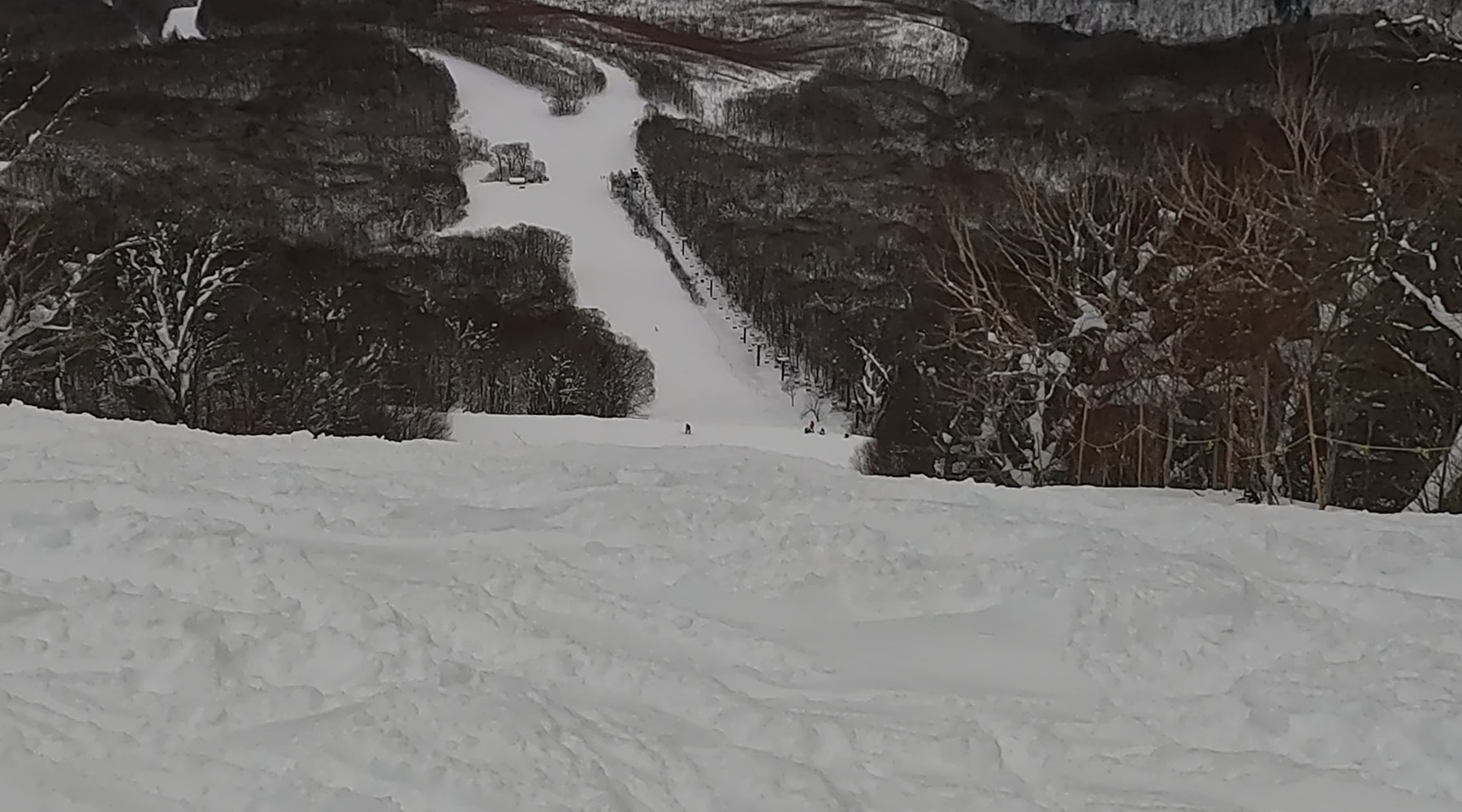
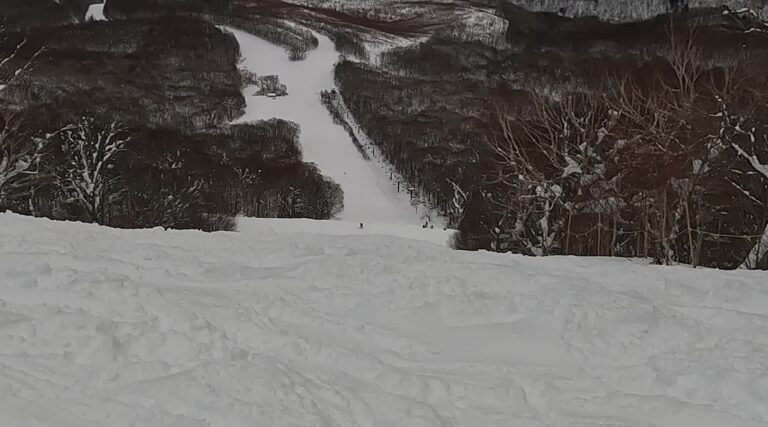
- For Advanced Skiers: This is the promised land. Trails like Silky and White offer long groomers with steeper sections, while Diamond provides a classic bump run. However, the real draw is the off-piste tree zones (Animal Street and Snow Ride areas). When the 7 metres of annual snowfall hits, these areas become deep powder playgrounds. Note: These zones are weather-dependent and often not open until mid-January or later.
Diamond
Enlarge ImageWhen to Go: Mid-January vs. February: Which Month Wins for Snow?
The quality of your trip to Hachimantai depends heavily on the time of year.
- Early Season (December): The resort begins to open, but upper terrain and tree runs are typically closed.
- Peak Season (Mid-January to Late February): This is the prime window. You will find the deepest snow (often exceeding 7 metres) and the most terrain open. However, be prepared for “February’s big storms.” Heavy snowfall can impact lift operations and road conditions, so always check the forecast and resort updates before heading out.
- Weather Consideration: The Shimokura side is more exposed to the elements. If a storm rolls in, the Panorama side is often the more sheltered and reliable option.
Accommodation and Quirks: Slope-Side or City Stay? Choosing Your Home Base
- Stay: The most convenient option is the on-site hotel at the base of Panorama, which features an onsen. Perfect for soaking tired muscles after a day in the snow. Alternatively, using a car gives you flexibility to stay in Morioka City or nearby ski areas.
- The “Quirk”: Hachimantai’s greatest strength is its division of skill levels. Beginners get a safe, wide haven at Panorama away from advanced traffic, while experts get a challenging playground at Shimokura with minimal crowds. It creates a uniquely uncrowded experience for everyone.
The Verdict: Is Hachimantai Worth the Trip? Our Honest Take
Hachimantai Resort is a wonderful destination for those looking to escape the lift lines and experience the quiet beauty of the Tohoku region. It is an ideal spot for families with young children and intermediate skiers looking to improve. When the snow gods deliver, the advanced tree skiing is not to be missed.
For a small resort, it delivers big on charm, snow quality, and variety.
Check out our trail and lift videos to prepare for an unforgettable visit to this Iwate Prefecture treasure.