Myoko Akakura Resort: The 13m Powder Haven You’ve Been Overlooking
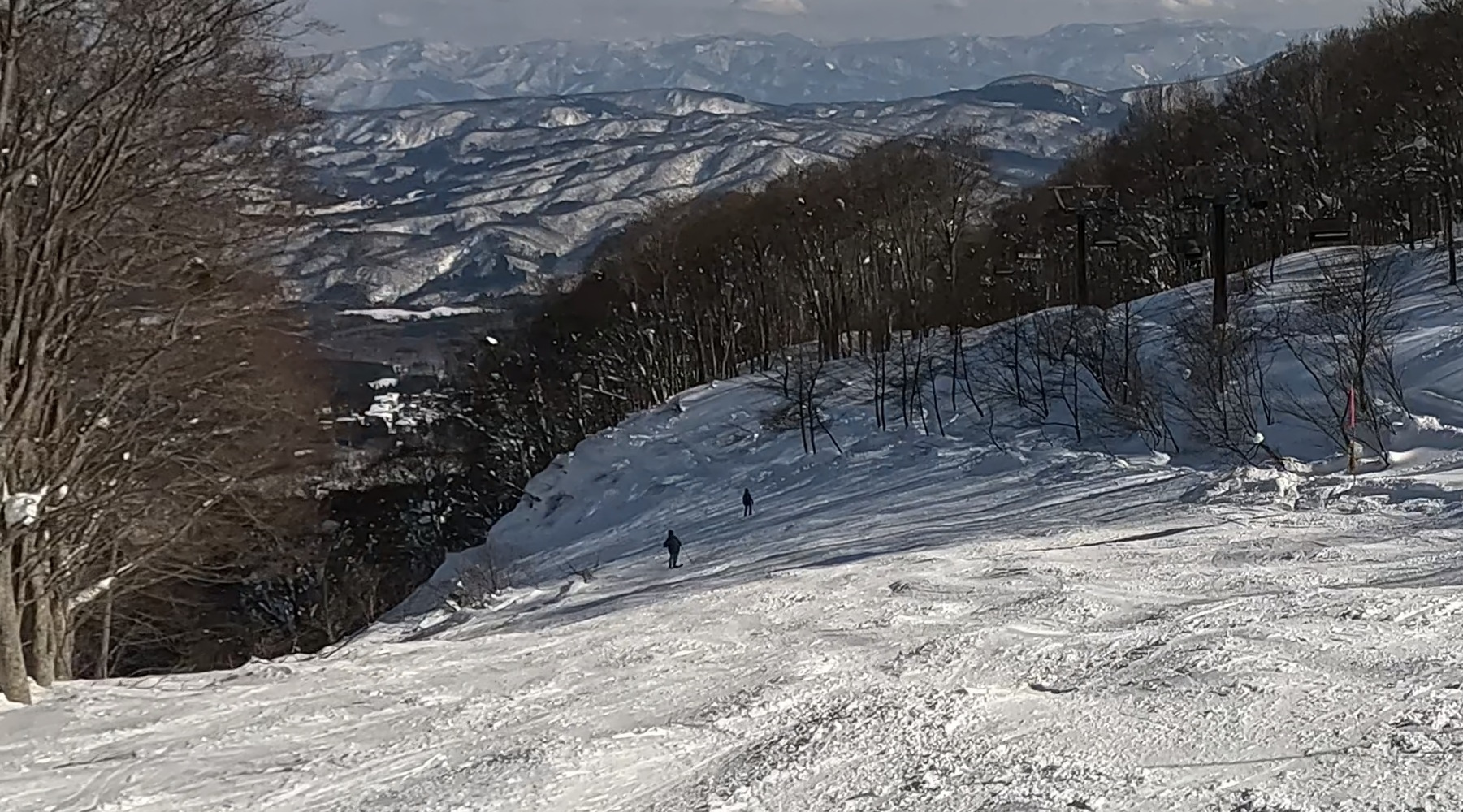
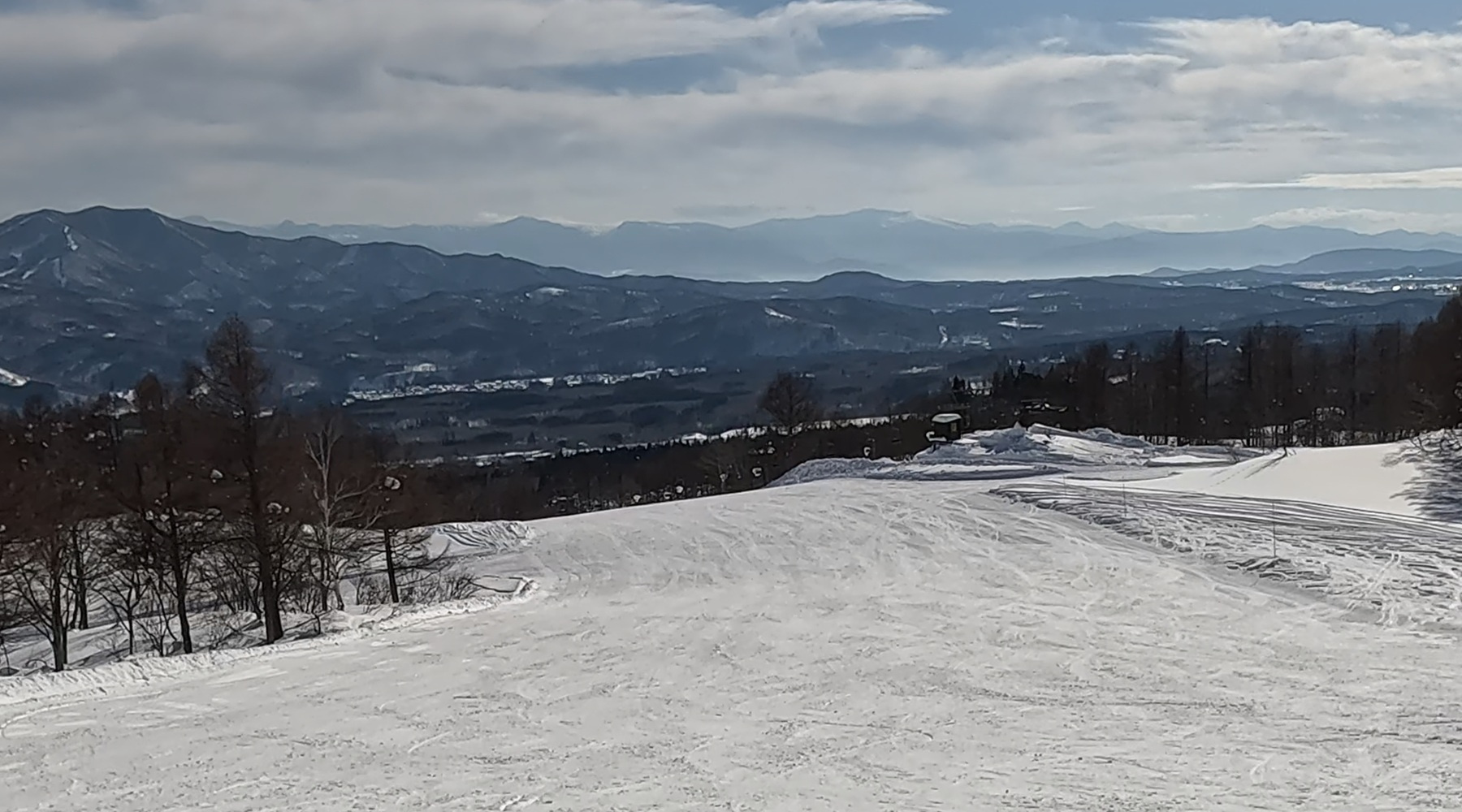
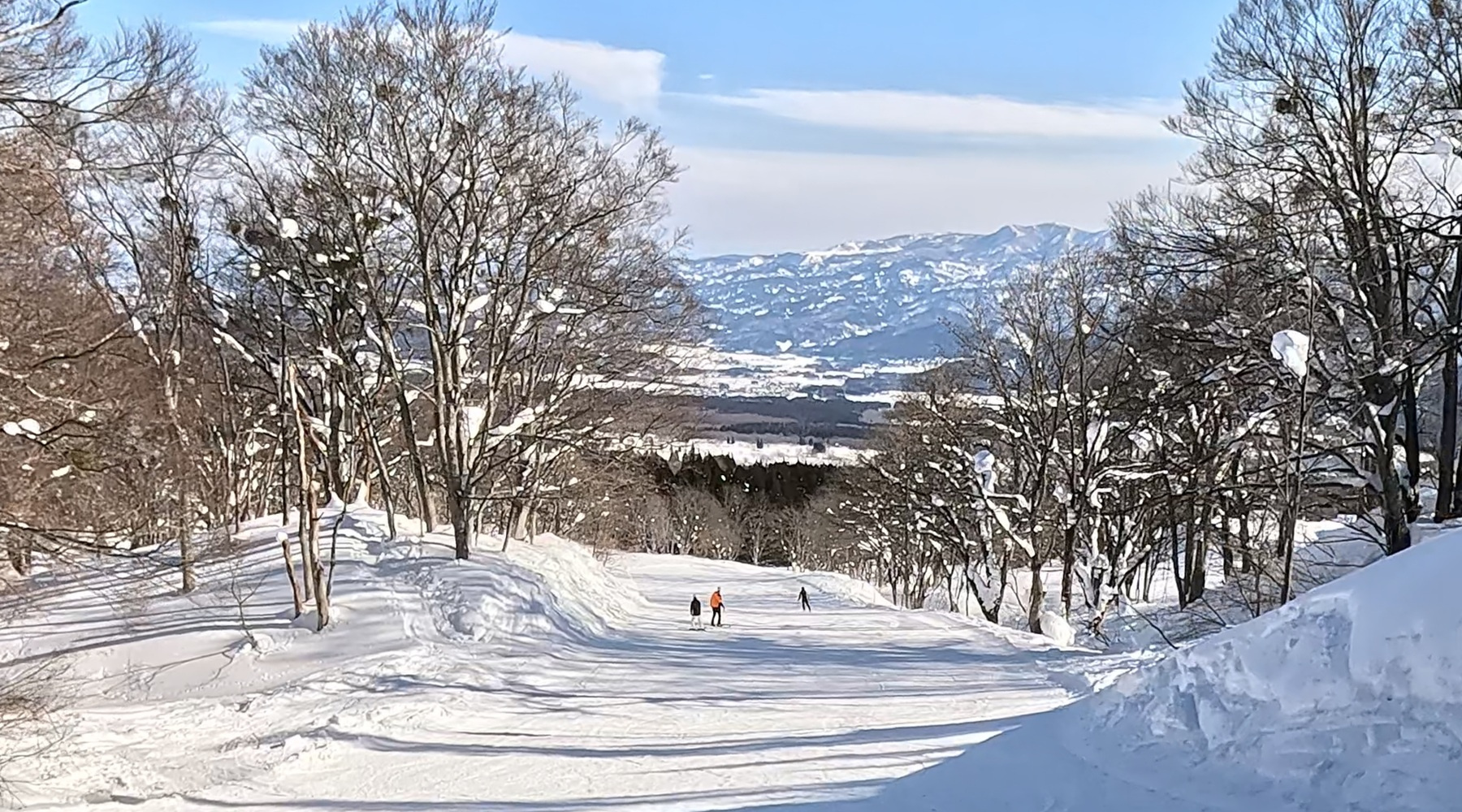
Deep in southern Niigata Prefecture, just a short trip from Nagano, lies one of Japan’s most compelling ski destinations: the Myoko Akakura Ski Area. This isn’t a single resort but a beautiful combination of Akakura Kanko and Akakura Onsen, sitting side by side on the slopes of Mount Myoko. Together they offer a solid 760 metres of vertical drop and a whopping average snowfall of over 13 metres every winter.
Key stats at a glance:
- Summit: 1,500m | Base: 740m | Vertical: 760m
- Snowfall: 13m+ annually | Skiable area: 250+ acres | Trails: 27
- Terrain breakdown: 40% beginner / 30% intermediate / 30% advanced
What makes Myoko Akakura truly special, however, is the balance. Beginners have vast, gentle zones to build confidence. Intermediates can spend days exploring groomers and forest trails. Advanced skiers and riders will be drawn to the upper slopes and tree areas, especially when the deep powder arrives. And for anyone looking to escape the crowds that plague better‑known Japanese resorts, February, outside the Chinese New Year holiday, offers epic snow with noticeably fewer lift lines.
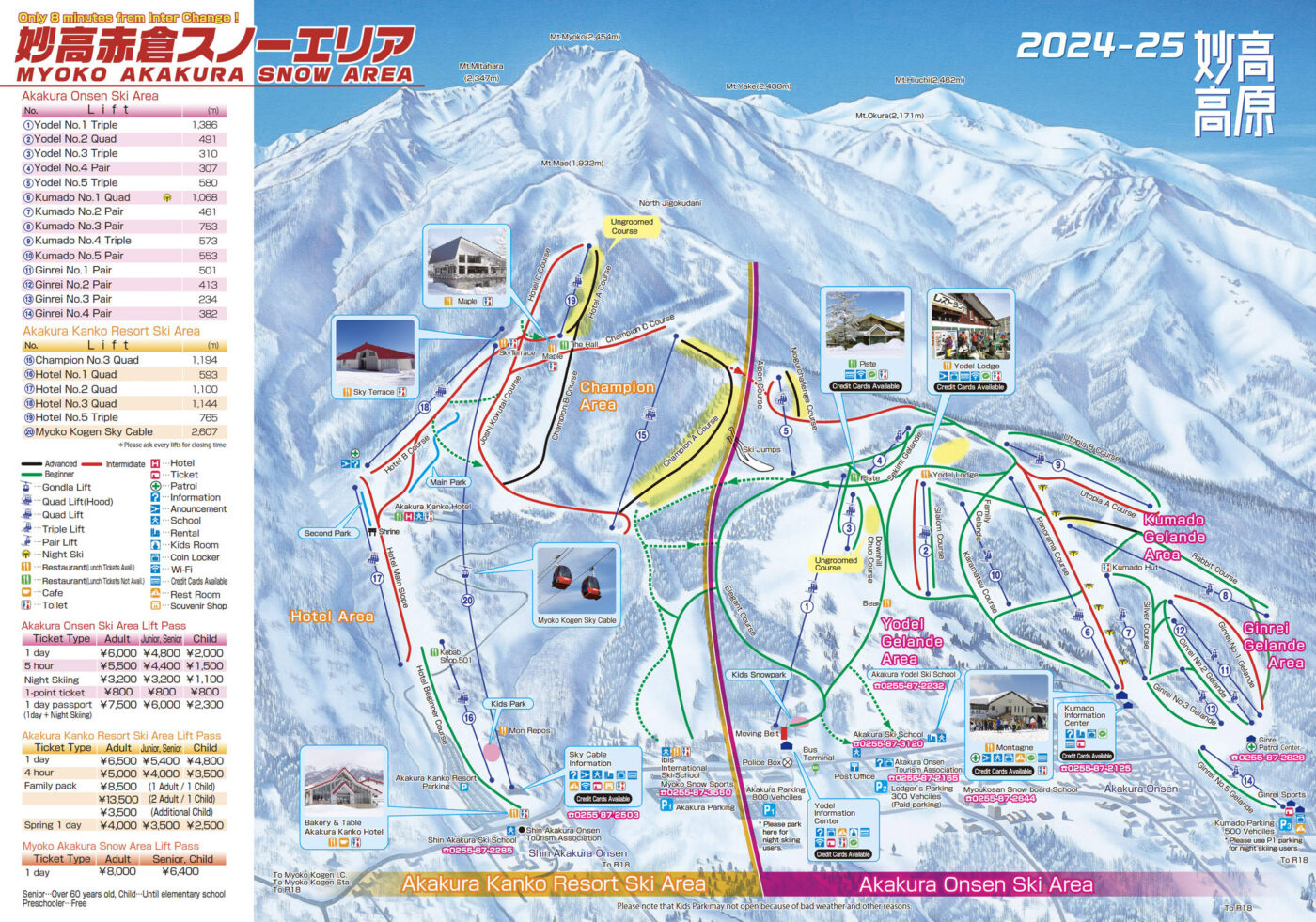
Getting There: From Tokyo to the Slopes in About Three and a Half Hours
Travelling to Myoko Akakura is relatively straightforward.
- Train (fastest):
- 1 hour 40 mins: Shinkansen from Tokyo Station to Nagano Station,
- 40 mins: JR Train from Nagano Station to Myoko Kogen Station,
- 10 mins: Bus or taxi to the Akakura base areas.
The total trip from central Tokyo typically comes in around three and a half hours, not including transfers from Narita or Haneda airports.
- Direct bus: 7 hours from Narita Airport or 6 hours from Haneda Airport.
If you prefer a direct option, highway buses run from both airports to Akakura. It’s long, but you avoid any train transfers, which some families and groups may appreciate.
MTNhack: If you are car-free many of the bus and shuttle services in the area are free if you hold a Mt. Myoko Multi‑Day, All Mountain or +3 Day Pass or if you are transferring from the station to your accommodation. This is a great way to visit neighbouring resorts including Madarao, Tangram, and Arai. Check myokotourism.com for updates as some shuttles fill up quickly during peak periods.
- Car: 4+ hours from Tokyo, free parking at both bases.
Given the epic level of snowfall this region receives, a four‑wheel or all‑wheel drive vehicle is strongly recommended, and carrying chains is non‑negotiable. The good news is that both resort bases offer plenty of free parking.
Resort Facilities: Villages, Food, and Where to Rent Gear
Myoko Akakura operates across three base areas.
- Kanko base: Gondola, ticket office, ski school, rentals, lockers.
- Yodel base (Onsen): Express lifts, Yodel Lodge food.
- Kumado base (Onsen): Express lifts, rentals, lockers, Kumado restaurant.
- On‑mountain restaurants: Sky Terrace, Maple, Piste, and mid‑mountain Hotel.
The Kanko base is relatively compact but provides direct access to the gondola. On the Onsen side, you will find the larger Yodel and Kumado base areas, both equipped with express lifts that can be a real time‑saver on busy mornings.
For equipment rental, your best bet is either the Kanko base or the Kumado base area, though a handful of rental stores also operate in the village.
Food service is scattered across the resort for when hunger strikes. You have options both on-mountain and at the base. None of these are fine dining, but they are reliable, filling, and perfectly positioned for a midday break.
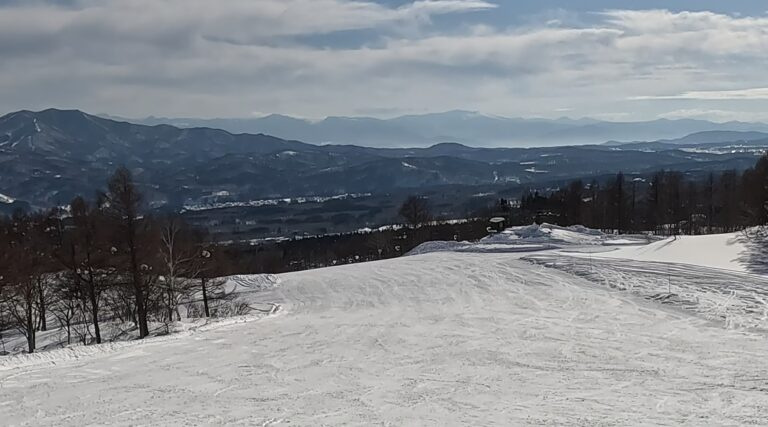
The Mountain: Terrain, Trails, and Tactics
Let’s get to the skiing. The Onsen side offers excellent terrain for first‑timers and beginners, while advanced skiers naturally gravitate to Kanko’s terrain.
Beginners
- Should avoid: The temptation to start at the Hotel Beginner Course on the Kanko side. Instead, head to the Yodel or Kumado base areas.
- Starting out: The Ginrei slopes provide a quiet zone of gentle greens that are perfect for anyone starting out.
- Once you have your legs: Try Downhill Chou and Karamatsu, both are a small step up in difficulty.
- For a longer adventure: Elegant is a steady, consistent green that winds through the forest.
- When you feel ready to test your skills a little further: Panorama and Utopia A offer slightly steeper runs without being intimidating.
Intermediate skiers
- Get started: By warming up on the Onsen side. Start on the Slalom or Panorama courses, then make your way to Kanko for more challenging terrain.
- The Hotel Area courses: are enjoyable, though the lower sections can become congested.
- Joshi Kokutai: Is a fun, wide‑sweeping run, just keep your speed at the end to get around to the Champion Quad lift without poling or clipping out.
- For a real test: Champion B is a steep groomer that rewards good technique, and Hotel A offers a short bump trail to practice your absorption.
Advanced skiers
- Head straight up: To the Champion Area upper slopes. Hotel C provides a short red groomer that works well as a warm‑up,
- Then Champion B: A carver’s paradise and,
- Champion A: Delivers a long bump trail that will genuinely test your legs.
- The real attraction: Lies in the tree areas on the upper slopes, especially when the deep powder arrives. These off‑piste zones are not patrolled heavily, so always ride with a partner and carry appropriate safety gear.
Terrain Park enthusiasts
- Main Park and Second Park: Offer a solid mix of features, from small rails to medium jumps, keeping the progression‑focused entertained for hours.
MTNhack: The lower slopes on the Onsen side are fairly flat and face east, catching the morning sun. That’s great on a cold January morning, but it can degrade snow quality later in spring. The higher elevation and more northerly aspect of the Champion Area make for consistently better snow conditions.
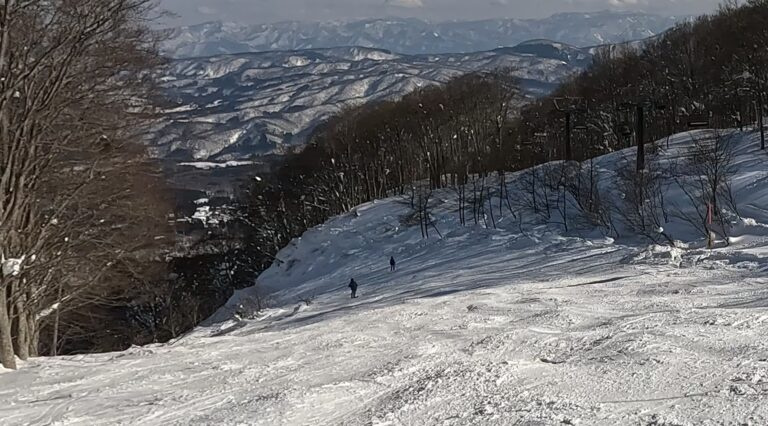
Champion A
Enlarge ImageSeasons, Crowds, and Smart Lift Strategy
Myoko Akakura receives its legendary snowfall primarily from December through March, with February typically offering the best combination of deep powder and thinner crowds.
Best times to visit:
- Prime powder + fewer crowds: February (outside Chinese New Year).
- Expect crowds: Christmas week, New Year, Chinese New Year holidays.
Note: The Myoko resorts are well established and genuinely popular with domestic skiers and visitors from nearby countries like Singapore and China.
A few quirks worth knowing before you arrive:
- On busy days: The Yodel and Kumado base areas both feature express lifts that run directly from the base. These are the quicker way up the resort because the gondola queues on the Kanko side can become painfully long.
- Crossing between the two resorts: Hold your speed! The flat sections will have you clipping out or skating if you don’t keep your momentum.
MTNhack: Many of the bus and shuttle services in the area are free if you hold a Mt. Myoko multi‑day, all‑mountain or +3 day pass or if you are transferring from the station to your accommodation. However, it is always wise to check for reservation requirements in advance, as some shuttles fill up quickly during peak periods. Check myokotourism.com for updates.
Quirks, Off‑Piste, and Non‑Skiing Activities
Beyond the groomers, Myoko Akakura offers several unique draws.
- Backcountry and cat skiing: Options exist for powder hunters.
- Snowshoe and snowmobile: Tours provide alternative adventures.
- The Valley’s many onsen: A therapeutic local experience and a perfect remedy when your legs need a break.
- Jigokudani Snow Monkey Park: A short bus ride away where you can watch wild macaques soaking in hot springs. It’s a classic Japanese winter experience and makes for an excellent rest‑day activity.
Accommodation: Ski‑In Ski‑Out and Central Hubs
Lodging options range from mid‑mountain luxury to village pensions. Because Myoko Akakura sits centrally, it makes an excellent base for exploring neighbouring resorts.
- Ski‑in/ski‑out:Akakura Kanko Hotel (mid‑mountain), wake up and you’re already on the slopes.
- Budget/central: Village pensions and hotels near base areas offering everything from traditional Japanese ryokan to modern western‑style rooms.
Because Myoko Akakura sits in a central location relative to neighbouring resorts, it makes an excellent home base for exploring the wider Mount Myoko area. Some lodging providers offer courtesy shuttle services to and from nearby resorts, a feature worth asking about if you plan to ski Madarao, Tangram, or Arai. Alternatively, if you want full flexibility, we recommend hiring a car. The free parking at the bases and the ability to chase snow conditions across the region make having a rental a smart investment for longer stays.
Summary: A Taste of Classic Japan Skiing
In our opinion, Myoko Akakura provides one of the most balanced ski experiences in Honshu. Beginners will find heaps of gentle slopes on the Onsen side. Intermediates have fantastic groomers to progress on. Advanced skiers and riders will rinse the trees and off‑piste zones, especially after an epic dump of powder.
The easy access to nearby resorts via the Mt. Myoko Shuttle bus and other local shuttles adds even more terrain, making this an ideal location for a destination ski holiday. With excellent snow, trails that soak up the morning sun, and a genuine Japanese alpine village atmosphere. Myoko Akakura is an excellent choice for families, groups, and solo powder hunters alike.
To see before you ski, view our guide, trail and lift videos to get the most out of your trip to Myoko Akakura.