Why Kagura Deserves a Spot on Your Japan Ski Trip
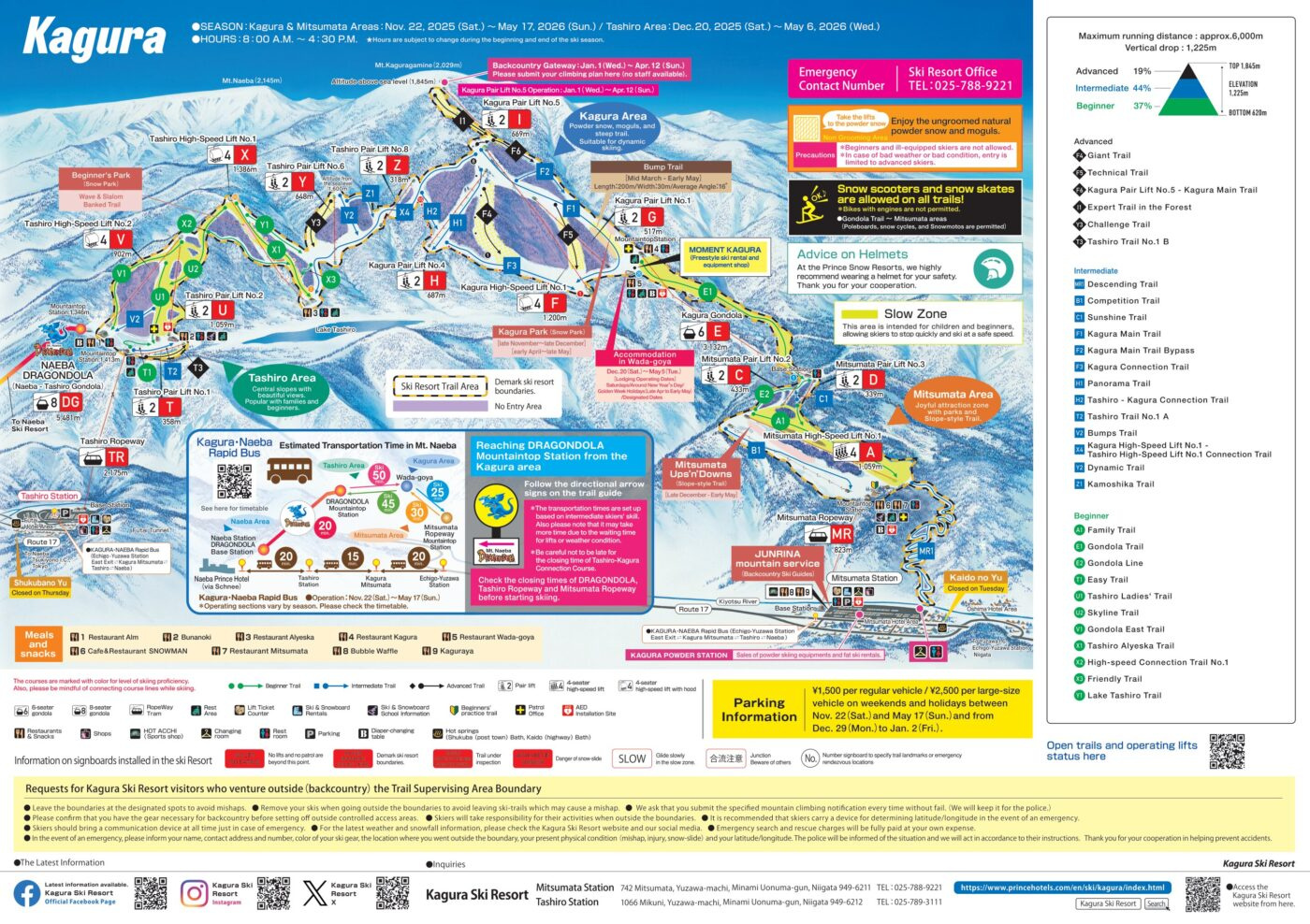
If you’re scrolling through options for a Niigata ski trip, Kagura offers a unique proposition that separates it from the compact resorts of the Yuzawa valley. Technically a combination of three linked zones: Mitsumata, Tashiro, and the central Kagura high-alpine area. Keep reading for the essential stats, a breakdown of the mountain’s three zones, and exclusive MTNhacks to navigate the resort like it’s day 3 from day 1.
Before we dive into the logistics, let’s look at the numbers. Kagura’s trail split tells a story of a resort built for cruising and progression:
Quick Stats Overview
- Base Elevation: 620m
- Summit: 1,845m
- Vertical Drop: 1,225m
- Average Snowfall: 10m+
- Skiable Acres: 410
- Trail Count: 30
- Terrain Mix: 37% Beginner | 44% Intermediate | 19% Advanced
- Expert/Extreme: Limited in-bounds; extensive backcountry access.
Kagura is a paradise for confident beginners and adventurous intermediates. The snow quality here is legendary, owing to its high elevation and northeasterly aspect which preserves powder long after lower resorts have turned to slush.The Vibe Check: This isn’t a compact, walkable village base. You ride trams from separate valleys to access either Tashiro or Mitsumata base areas. Whether you’re a skier who loves long, winding green groomers or a boarder seeking the backcountry gate off the summit, Kagura demands a little adventure.
Getting There: Tokyo to Kagura Logistics
Accessibility is one of Kagura’s superpowers, but timing is everything.
- By Train (Recommended): The Joetsu Shinkansen whisks you from Tokyo Station to Echigo-Yuzawa Station in approximately 90 minutes. From there, an express bus takes 20-30 minutes to either the Mitsumata or Tashiro base area.
MTNhack: Train timetables and bus connections don’t always align perfectly. Allow a buffer of at least 30 minutes at Echigo-Yuzawa Station for the transfer, especially on busy weekends.
- By Car: The drive from central Tokyo is roughly 3.5 hours. Parking is plentiful at both bases (a mix of free and paid lots).
- Resort Connectivity: A free shuttle bus links Kagura to the massive Naeba Resort. Alternatively, the Dragondola, a 5.5km gondola ride, connects the two mountains for a scenic (albeit slow) transfer.
The Base Areas: Mitsumata vs. Tashiro
Choosing the right base sets the tone for your day.
- Mitsumata Base: The larger and more developed of the two. You’ll find more comprehensive retail, larger restaurants, and expansive parking. If you have first-timers in your group, start here. The Family and Gondola Line lifts are gentle and ideal for less-daunting loading and unloading.
- Tashiro Base: Smaller and squeezed into a tight valley. It feels more local and significantly less crowded. If you know where you’re going and want to get up high fast, Tashiro is the superior choice.
On-Mountain Dining: Refueling is easy with modern facilities like Restaurant Alm and Alyeska on the Tashiro side, while Restaurant Kagura and the historic Wada-Goya hut provide mid-mountain refueling with spectacular views.
The Mountain Breakdown: Who Skis Where?
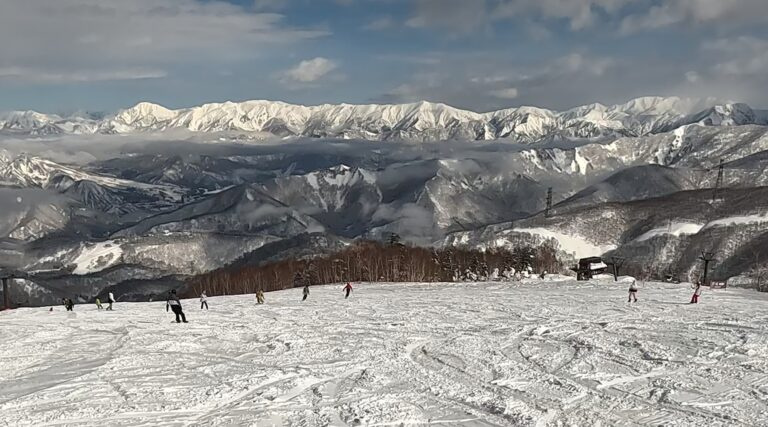
The terrain is split into three distinct zones: Mitsumata, Kagura and Tashiro. Here’s where you should spend your time based on skill level.
For Beginners (37% of Terrain)
- Where to Go: Beginners should commit to Mitsumata. The gondola-serviced green run is epic in length but be warned, it has a few steeper pitches that might challenge a Day 1 skier. On the Tashiro side, the Gondola East and Tashiro Alyeska trails are fantastic rolling groomers perfect for building confidence.
For Intermediates (44% of Terrain)
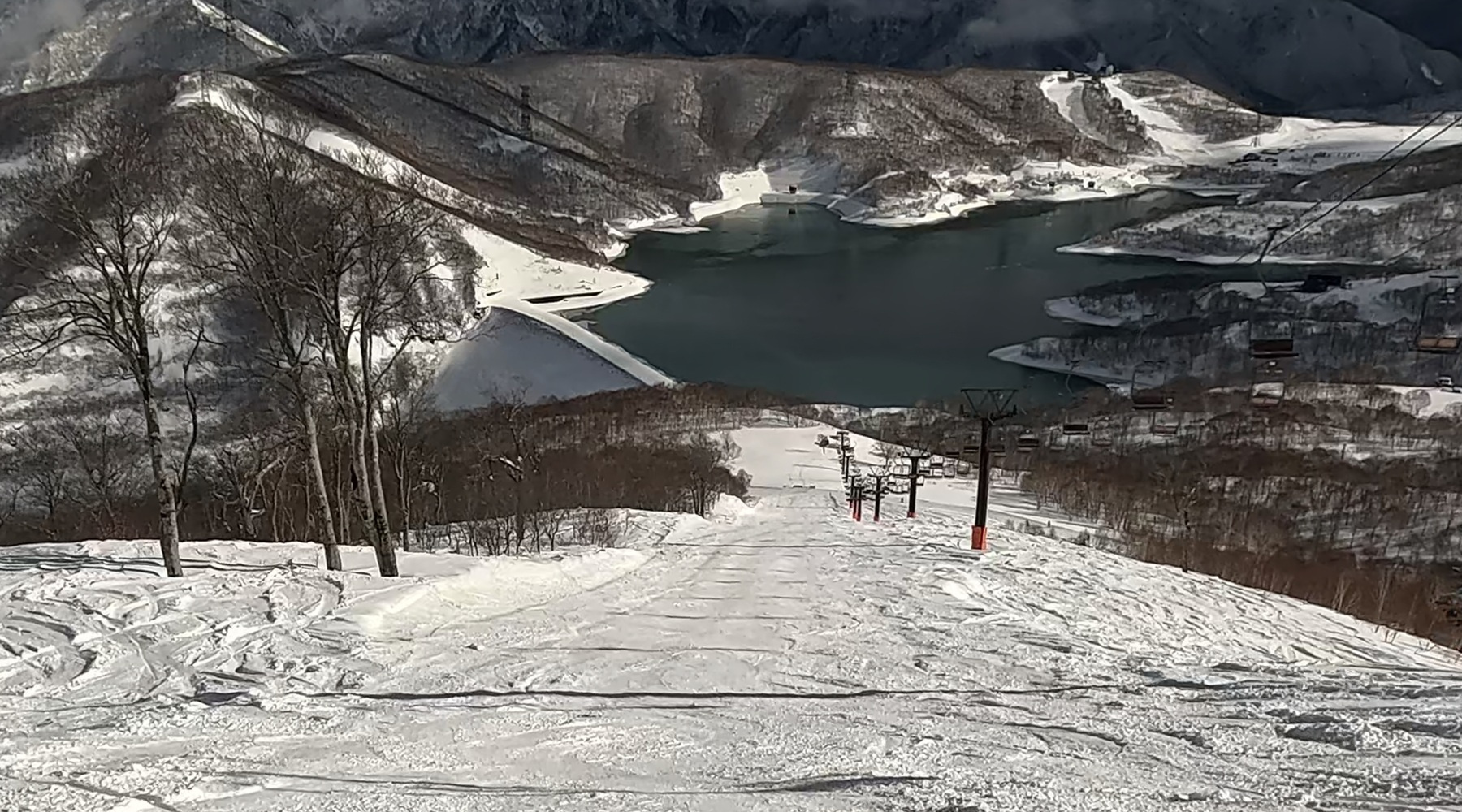
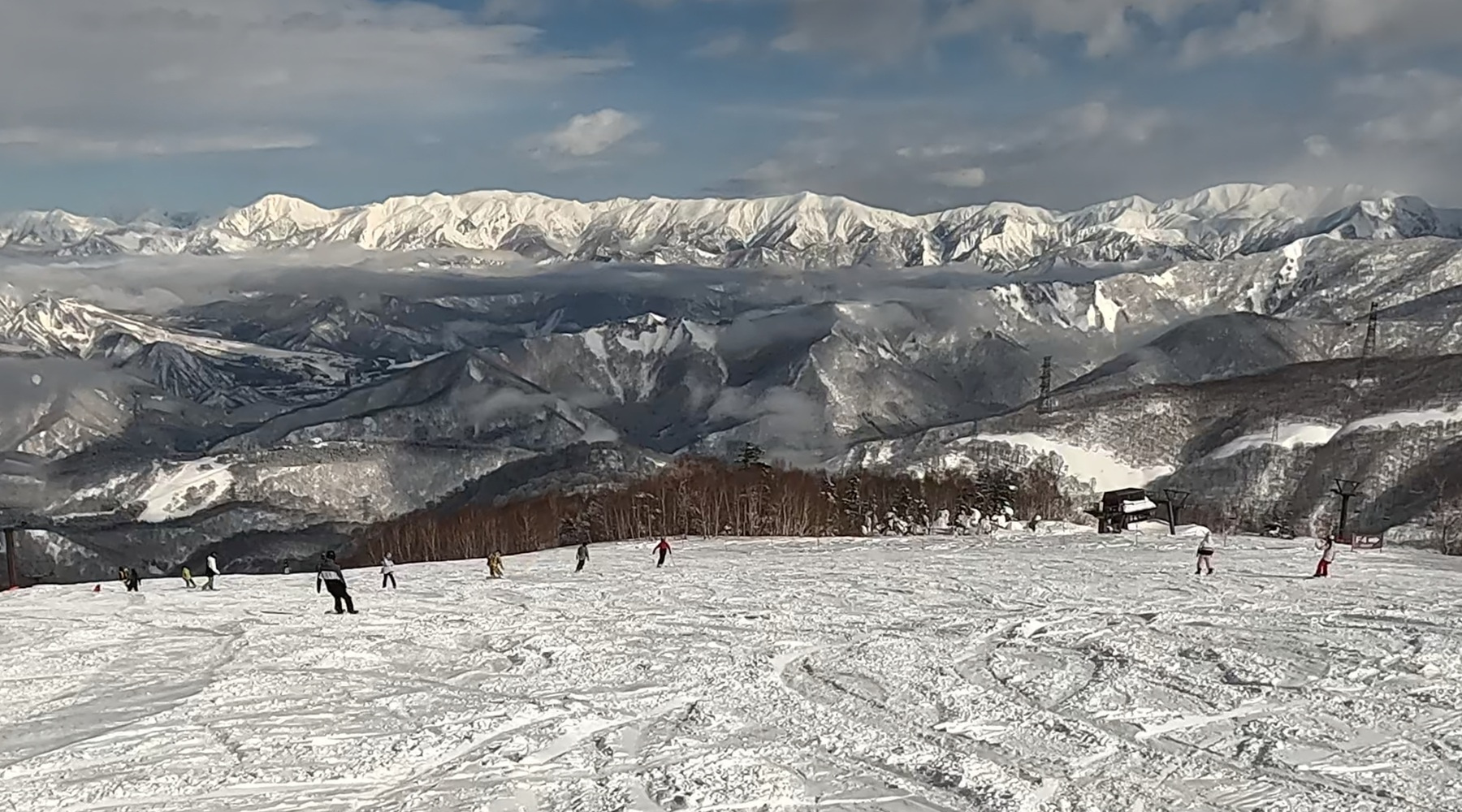
- The Sweet Spot: This is Kagura’s bread and butter. Intermediate skiers should aim for the high-alpine Kagura zone. The Panorama Course and Kagura Main offer perfect rolling blues with spectacular valley views.
- The Warm-Up: Use the Dynamic trail on the Tashiro side as a fun, winding warm-up before heading up high.
- Leveling Up: When you’re ready for a challenge, test your skills on the short, sharp blacks like Technical or Tashiro 1 B.
For Advanced & Expert (19% / Limited In-Bounds)
- In-Bounds Challenge: Advanced skiers will find limited but quality terrain. Giant is the pick of the bump runs for mogul lovers, and Expert in the Forest holds the best snow quality.
- The Backcountry Gate: Kagura is famous for its side and backcountry access off the summit. The terrain is serious and requires a climbing plan and proper gear. Don’t duck the rope without a guide or beacon.
Terrain Parks
- Features are minimal at Kagura. Expect a single kicker and a small rail setup at the bottom of Tashiro 1 A. This is a freeride mountain, not a park lap destination.
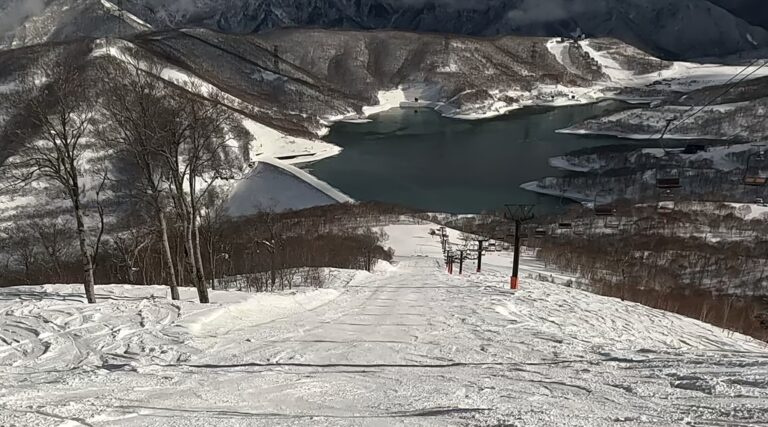
H1 Panorama
Enlarge ImageSnow and Seasons: Why February to Early March is Best
Kagura boasts one of the longest seasons on Honshu, often opening in late November and running well into May. The snowpack is typically deepest from February through early March.
Crowd Flow:
- Weekends: Busy. The easy Shinkansen access means Tokyo day-trippers flood the lifts on Saturday and Sunday.
- Holidays: Less impacted by Christmas or Chinese New Year compared to Niseko or Hakuba, making it a solid mid-winter pick.
Where to Stay: Wada Goya On-Mountain vs Base Lodging
- Tashiro Area: Limited but convenient for early tram access.
- Mitsumata Area: Wider range of lodges and hotels.
- Naeba: A short drive/bus ride away offers a full resort village with dining and nightlife.
The Ultimate MTN Experience: Wada Goya
For the true enthusiast, book a night at Wada Goya. This is an on-mountain hut halfway up the resort. It’s not luxury (think shared sleeping hall and bathhouse), but the package includes dinner, breakfast, and exclusive early access to the Kagura No. 5 lift before the public tram even arrives. It’s the best hack for scoring first tracks.
Quirks: 5 Things Nobody Tells You About Skiing Kagura
- Start at Tashiro (If You Can): While Mitsumata is bigger, Tashiro usually has shorter lines for the initial morning tram/gondola ride.
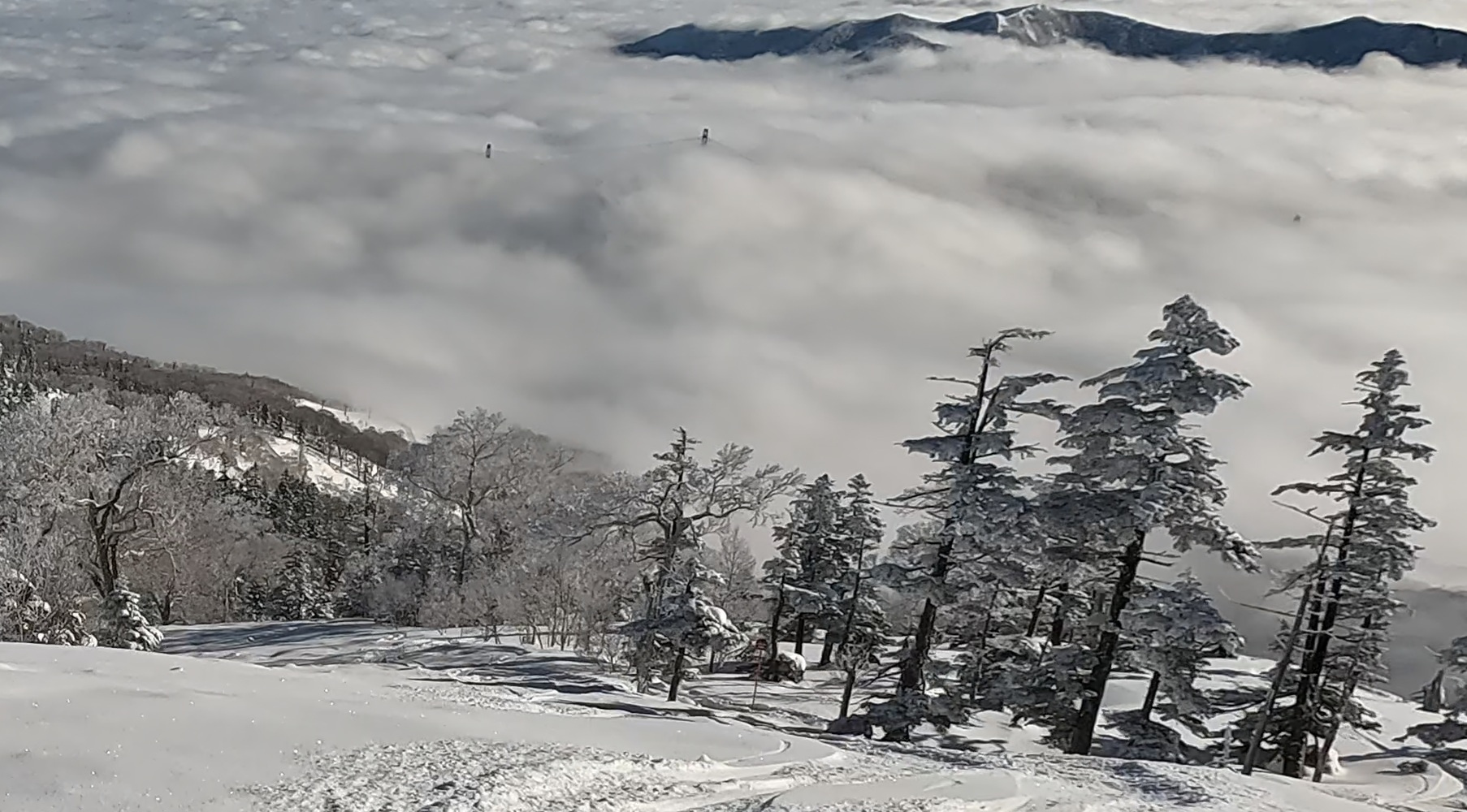
- Morning fog: Is common in the valley. It usually lifts as the day warms. When it does, the views from the upper trails are spectacular, but navigation in flat light can be intimidating for beginners on the green and connection trails.
- Flat Zones & Pinch Points: Snowboarders beware, the connection trails (especially Kagura-Tashiro link) have long, flat traverses. Keep your speed up or prepare for a skate. The lower Gondola Trail can become a congested highway by 3:00pm.
- The Kagura No. 5 Queue: This lift accesses the best upper-mountain terrain and “rope drop” is slightly later after avalanche control. If you see a line forming at the gate, it’s a race for first tracks.
- The Bus is Your Friend: Beginners can’t ski between the Mitsumata Green Zone and the Tashiro Green Zone without taking a blue run. If you want to switch sides, take the free shuttle bus, don’t try to hike or ski down.
The Final Verdict: Is Kagura Worth It?
Kagura is not a beginner’s bunny hill, nor is it a steep-and-deep extreme playground. It is the perfect evolution resort.
- Competent beginners will love graduating from the wide gondola slopes to the long, winding greens.
- Adventurous intermediates will find hundreds of vertical meters of ego-boosting, rolling groomers with some of Japan’s most reliable snow quality.
The meandering layout and separate base areas can be frustrating if you’re disorganized, but if you follow this guide, the payoff is phenomenal snow and spectacular views.
Want a visual preview? Check out our trail and lift videos before you book that Shinkansen ticket.