Kamui Ski Links: Hokkaido’s Uncrowded Powder Haven – Full Resort Guide
Looking for that elusive mix of deep Hokkaido powder, varied terrain, and blissfully quiet slopes? Wave goodbye to the lift queues of Niseko and Furano, Kamui Ski Links is the answer. This decent-sized, family-friendly resort sits in the heart of Japan’s snowiest island, serving up a generous 8 metres of annual snowfall and a 601-metre vertical drop across 475 skiable acres. With a trail split of 32% beginner, 36% intermediate, and 32% advanced, Kamui genuinely has something for everyone, from first-timers to powder-chasing veterans. No extreme double blacks, but don’t let that fool you, the tree skiing here is not shy in keeping your skills sharp.
Whether you’re planning a multi-resort Hokkaido road-trip, or a single-resort deep dive, this guide unpacks what you need to know: how to get there, the best trails for your ability, local quirks, and a few hard-won MTNhacks we learned the messy way.
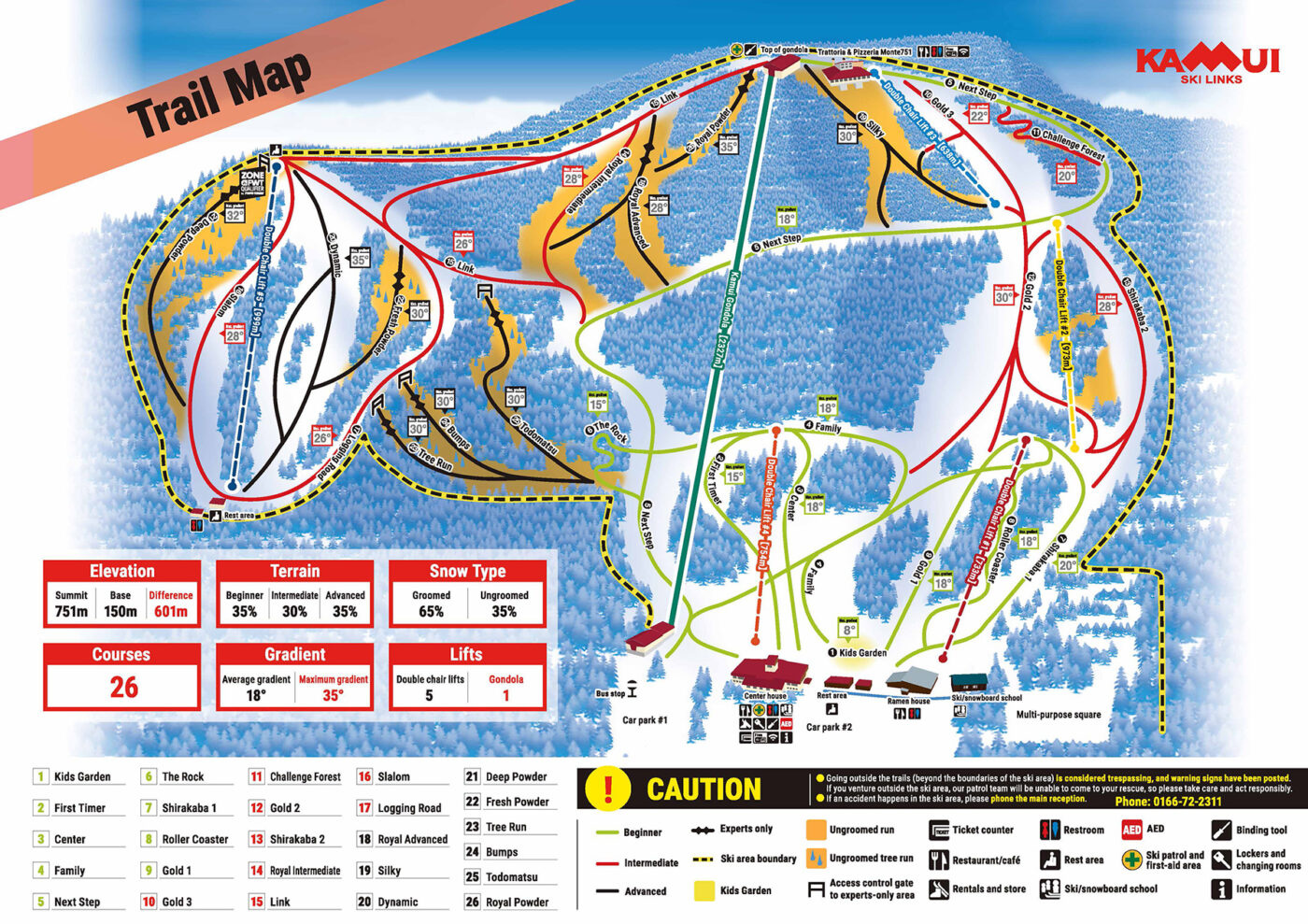
Resort Stats at a Glance
- Base elevation: 150m
- Summit elevation: 751m
- Vertical drop: 601m
- Annual snowfall: 8 metres
- Skiable terrain: 475 acres
- Total trails: 25
- Trail breakdown:
- Beginner: 32%
- Intermediate: 36%
- Advanced: 32%
How to Get to Kamui Ski Links
Kamui sits in a sweet spot that feels remote but is surprisingly accessible.
- By car: Roughly a 2-hour drive from Sapporo or New Chitose Airport. A 4WD or all-wheel-drive vehicle is strongly recommended and keep chains handy. Heavy snowfall is the norm, not the exception. The roads are well-maintained right up until the final gentle climb to the resort. If you’re ticking off multiple ski areas across Hokkaido, having your own wheels is a gamechanger.
- By public transport: Take the train from Sapporo to Asahikawa Station (about 2 hours 10 minutes), then hop on the bus to Kamui (around 40 minutes). Total travel time comes in at roughly 3 hours, making it a straightforward day trip or long weekend option.
The Resort Base: Compact, Cosy, and Unfussy
Don’t come to Kamui expecting a sprawling village. The base is refreshingly simple, and that’s exactly its charm.
- Centre House: Contains most day-visitor essentials.
- Adjacent buildings: A separate rest area, restaurant, and ski school keep things organised.
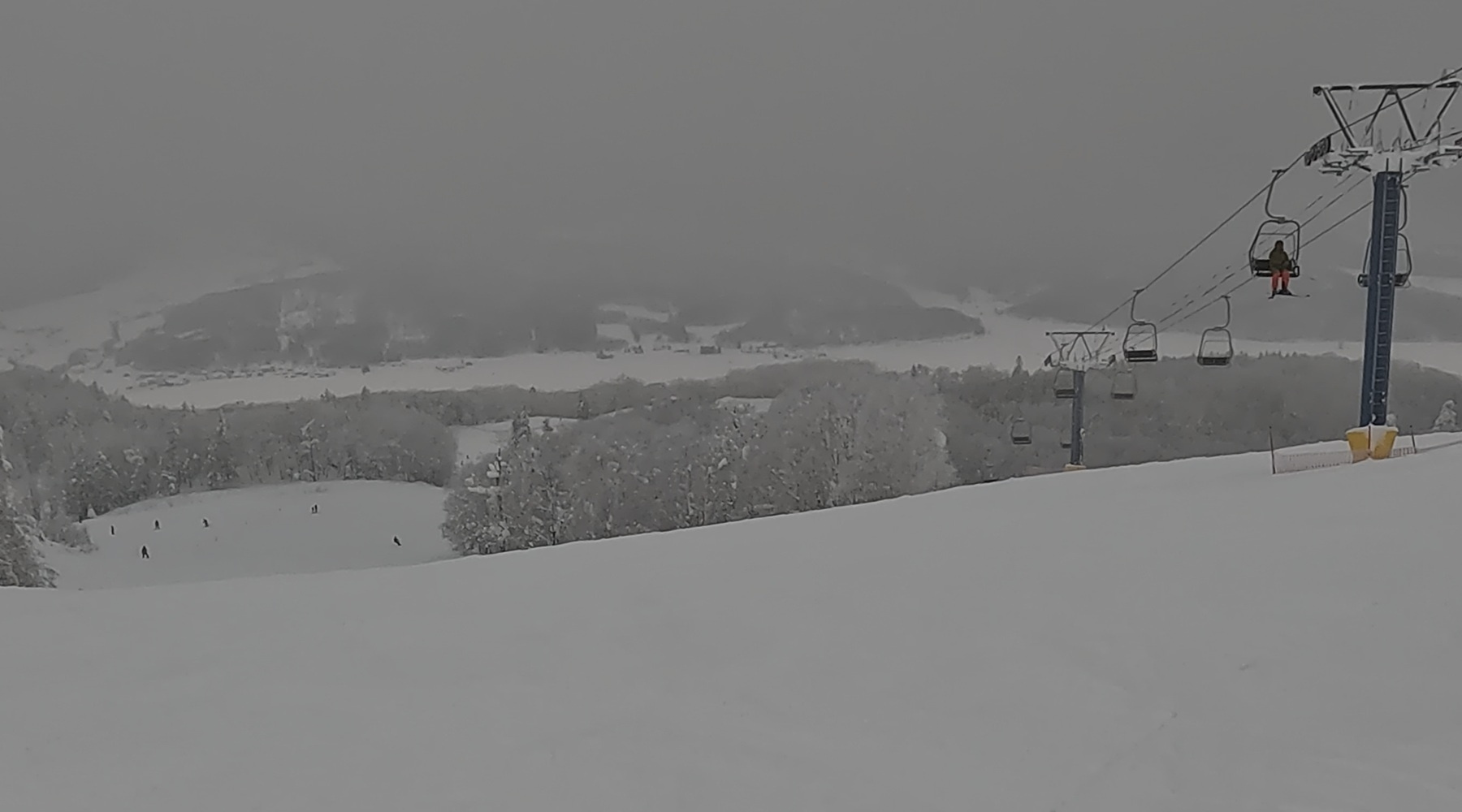
- Gondola station: Positioned apart from the main base, cleverly keeping heavy ski traffic away from the dedicated kids’ zone and beginner meeting point.
- Parking: Two car parks provide ample space.
Currently there is no ski-in-ski-out accommodation, but plans are in motion for lodging to the left of the gondola. For now, the only on-mountain dining is Trattoria Monte 751, perched up high with a mix of local and Italian dishes. On a clear day the views are reportedly phenomenal (we were cruelly denied by clouds, but the lounge is still a perfect spot to rest and plot your next line).
The Mountain: A Trail-for-Everyone Playground
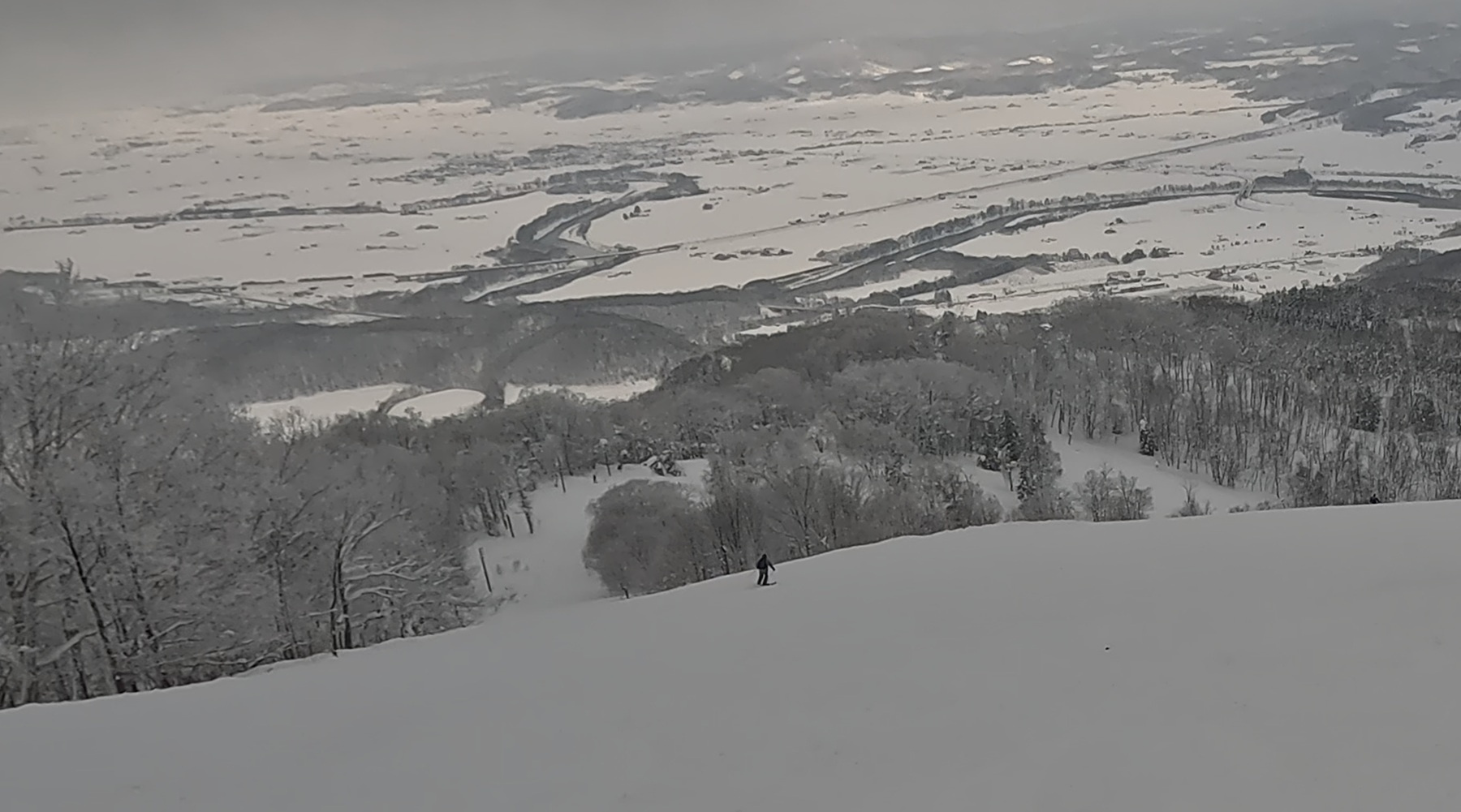
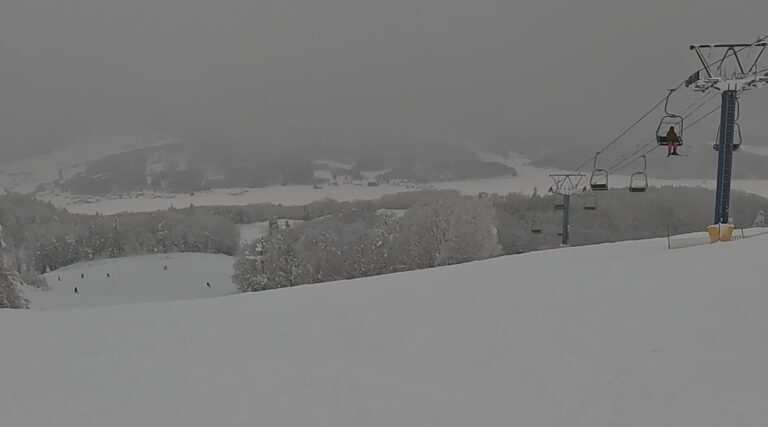
Kamui’s northwest-facing aspect is a secret weapon. It locks in light, dry snow and keeps conditions excellent throughout the season. Grooming on the lower slopes is meticulous, while the upper mountain tends to hold a constant dusting of fresh, even after the cats have done their work. Here’s the trail breakdown by ability.
Beginners: Build Confidence Without the Crowds
- First Timer & Centre: Wide, gentle green runs at the base, ideal for finding your feet. The separate beginner area keeps things unintimidating.
- Gold 1: A subtle step up in pitch once you’re feeling steady.
- Next Step: A long green trail that winds down from the gondola, beautiful, but don’t bite it off with tired legs.
- Ready to progress? Gold 2 and Gold 3 are wide, forgiving intermediate trails where green-run skiers can stretch their comfort zone.
Intermediate: Groomers, Rollers, and Smiles All Day
- Gold 2 & Shirakaba 2: Perfect for locking down technique on smooth fall-line runs.
- Gold 3: A modest step up that keeps things interesting without being scary.
- Challenge Forest: An adventure run that feels like a winding playground.
- Roller Coaster: As the name suggests, a hit with kids and fun-loving adults alike.
- Royal Intermediate: A subtle camber that will test your edge control in the best way.
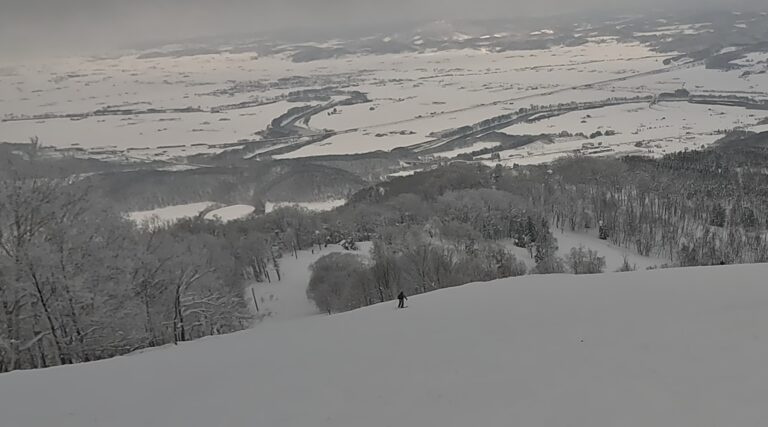
- Dynamic: A beautifully groomed slope for intermediates ready to dip their toes into advanced terrain.
- Silky: A short bump run excellent for honing your mogul skills.
Advanced: Open Powder and Genuine Tree Lines
- No. 5 Lift zone: The magnet for strong skiers. Dynamic becomes a fast-carving black dream, and Deep Powder delivers open tree skiing (just be prepared for a traverse out at the end).
- Gondola bump runs: Royal Advanced is an ungroomed blast.
- Todomatsu: A punchy, narrow wander through the trees that rewards quick feet.
No terrain park? Honestly, with snow like this, you won’t miss the rails one bit.
20 Dynamic
Enlarge ImageSeasons & Conditions: What to Really Expect
The northwest aspect that blesses Kamui with superb snow also means biting cold, especially from January through early February. Bring your warmest gear – you’ll need it.
- Beginner note: While lower slopes stay beautifully groomed, the upper mountain often carries a fresh dusting even after grooming, making it slightly more challenging if you’re not used to negotiating powder.
- Lift strategy:
- Gondola: Accesses the bulk of trails; expect queues first thing in the morning and just after lunch.
- No. 5 lift: Popular with advanced skiers; can get busy.
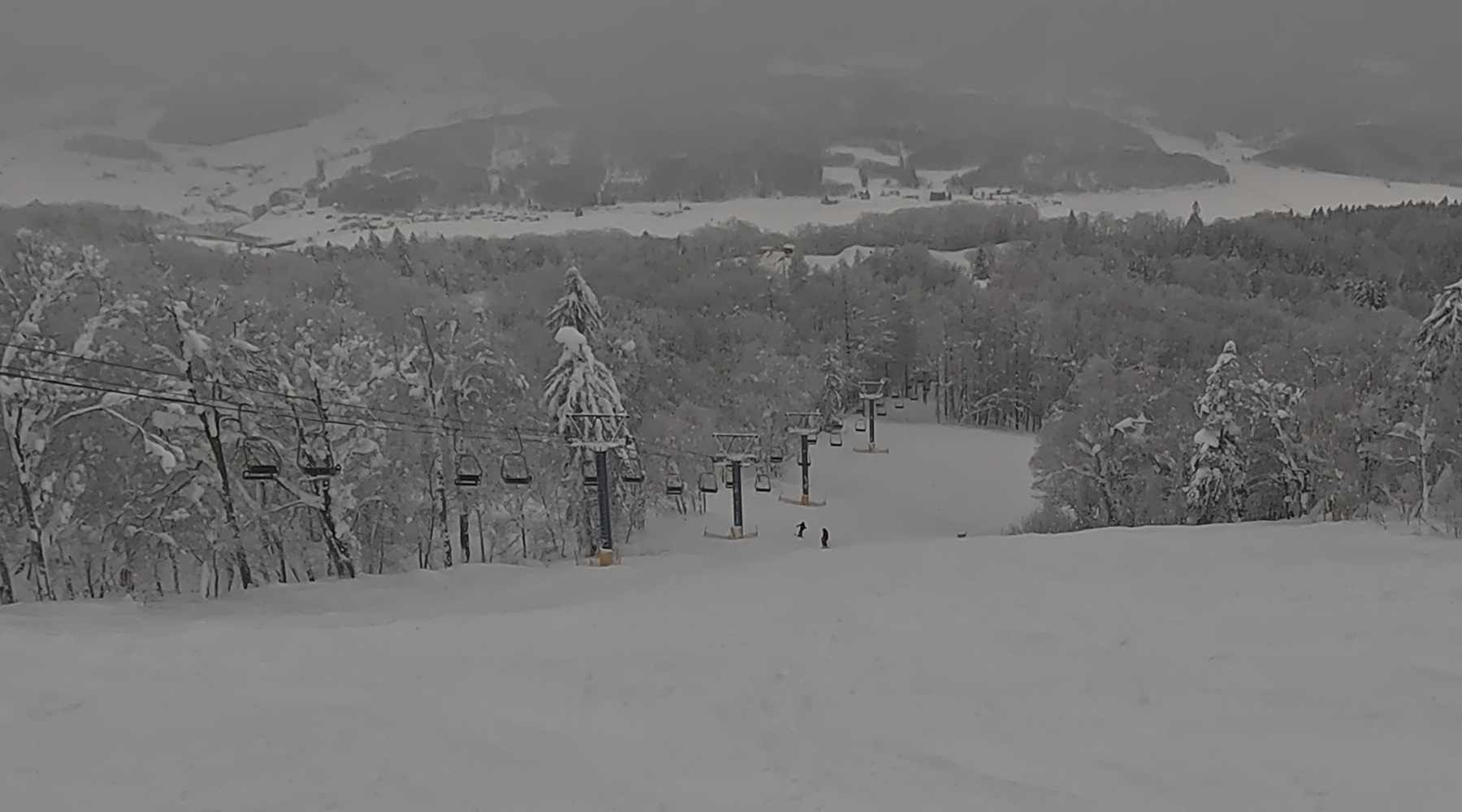
- Lifts 2 and 3: Slower but rarely have a wait, your go-to on busier days.
Where to Stay: Base Yourself Right
Accommodation right at the mountain doesn’t exist yet, so most visitors base themselves in Asahikawa, the major hub about 40 minutes away by bus.
- Asahikawa: Full range of lodging from budget business hotels to comfortable family options, plus public transport connections to Kamui.
- Fukagawa: A handful of simple places to stay, best if you have a car and want to be closer.
- Future plans: Ski-in-ski-out lodging is on the resort’s horizon, but not quite here yet.
Insider Quirks & MTNhacks
- Online lift tickets are cheaper than the window price. Book ahead.
- Morning Cat Tour: For first tracks and early access to the No. 5 lift, Kamui runs a pre-booked cat tour. An early start is required, but the turns are worth it. Just be aware you’re locking in the date regardless of weather.
- Local crowd patterns: Unlike major international resorts, Kamui is insulated from global holiday crowds but does get busier on weekends due to proximity to Asahikawa.
- Tree skiing is allowed in designated zones. Always check with Ski Patrol for open areas and closures.
- A cautionary tale (learn from my mistake): If you’re skiing bumps or tree runs, keep an eye on your exit to Next Step. I didn’t. Chasing untracked powder through the trees, I paddled waist-deep for 40 minutes, hauled myself across a creek, and scrambled back onto the run that I could literally see the whole time. Don’t be me.
Final Verdict: Is Kamui Ski Links Worth It?
In our opinion? Absolutely. Kamui Ski Links delivers that increasingly rare combination of fantastic snow quality, terrain for every ability level, and wonderfully limited crowds.
- For beginners: Confidence-building green runs and a dedicated learning zone.
- For intermediates: Wide, perfectly groomed blues and fun adventure trails.
- For advanced riders: Genuine steeps, deep powder, and open glades.
- For everyone: A genuine escape from the tourist track with 601m of vertical, 475 acres, and endless secret stashes.
It may be smaller than Hokkaido’s heavyweight resorts, but that’s the point. Kamui is a genuine escape into a winter wonderland, where the beginner slopes are masterpieces of grooming and the upper mountain holds challenges that seasoned skiers will relish. No pretension, just deep snow and good times.
Ready to explore Kamui Ski Links? Watch our trail and lift videos for the inside line on making the most of your visit. And don’t forget to check out our other Hokkaido resort guides for more resort insights.