Planning a Trip to Snowbird? What You NEED to Know
Towering above Little Cottonwood Canyon, Snowbird isn’t just a ski resort; it’s a legend. Known for its jaw-dropping steep terrain, legendary Utah powder, and a no-frills focus on epic skiing, Snowbird calls to those who live for the descent. But is this iconic mountain right for you?
This guide breaks down everything you need to know, from navigating the infamous canyon traffic to finding the best steep and deep lines.
Snowbird at a Glance: The Stats Don’t Lie
- Summit Elevation: 11,000 ft (3,353m)
- Vertical Drop: 3,240 ft (988m)
- Skiable Acres: 2,500+ (with access to Alta)
- Annual Snowfall: 500+ inches – often 700+! (152 to 213m)
- Trails: 140+
- Terrain Mix: 8% Beginner | 26% Intermediate | 42% Advanced | 25% Expert
Getting There: Conquer the Canyon Before the Slopes
Snowbird is a scenic 45-minute drive from Salt Lake City International Airport—in ideal conditions. Little Cottonwood Canyon is famous for traffic jams, especially on weekends and powder days.
Your Traffic & Parking Survival Guide:
- Check UDOT: Always check www.udot.utah.gov for road conditions and traction law requirements (4WD/AWD with winter tires a must).
- Leave Early: On a powder day, dawn patrol isn’t a suggestion; it’s a requirement.
- Carpooling is King: Cars with 3+ people get priority parking. Use the Snowbird App for the Canyon Carpool Club to score freebies and discounts.
Parking Strategy: Most parking is free but fills fast. For peace of mind, book a paid reservation online.
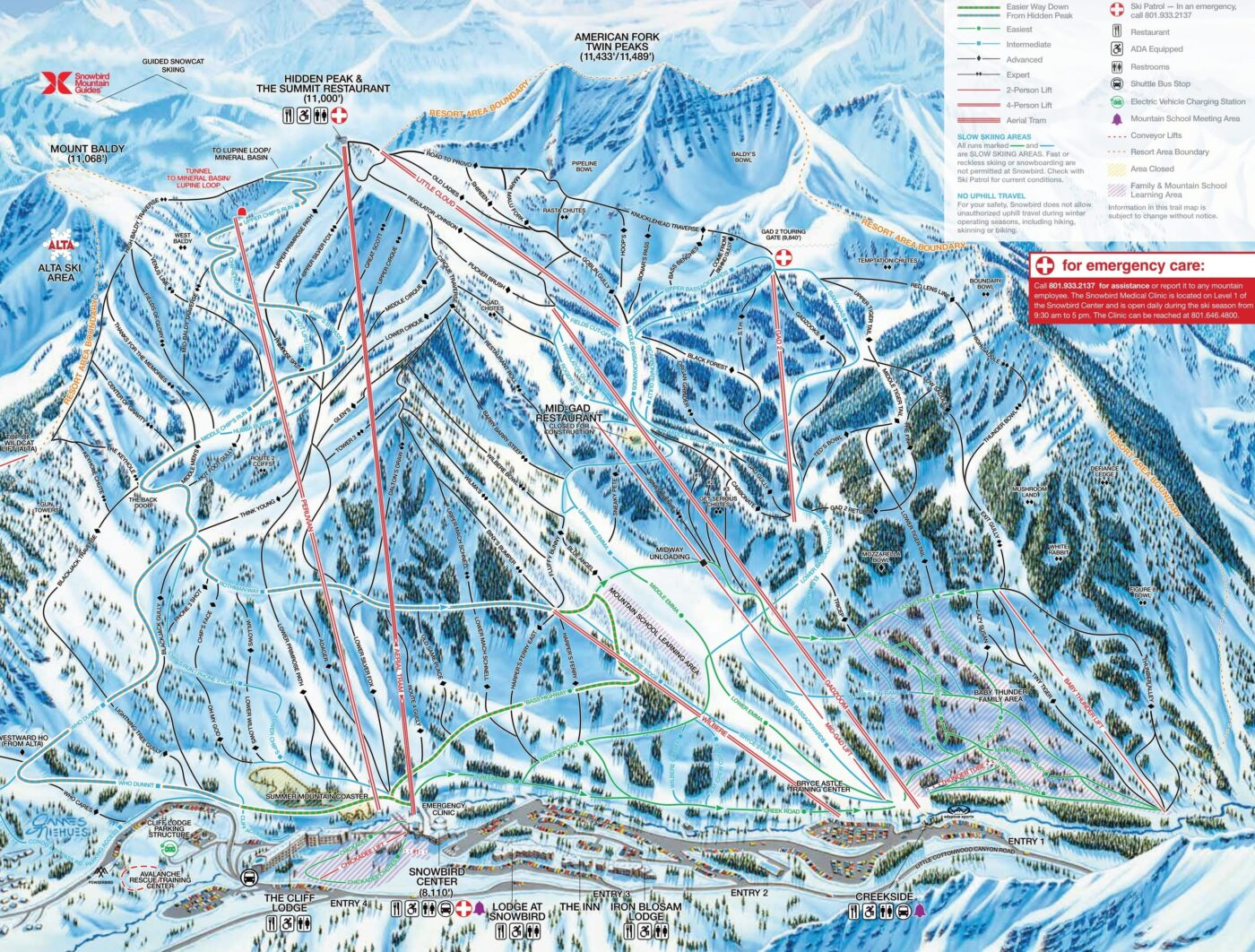
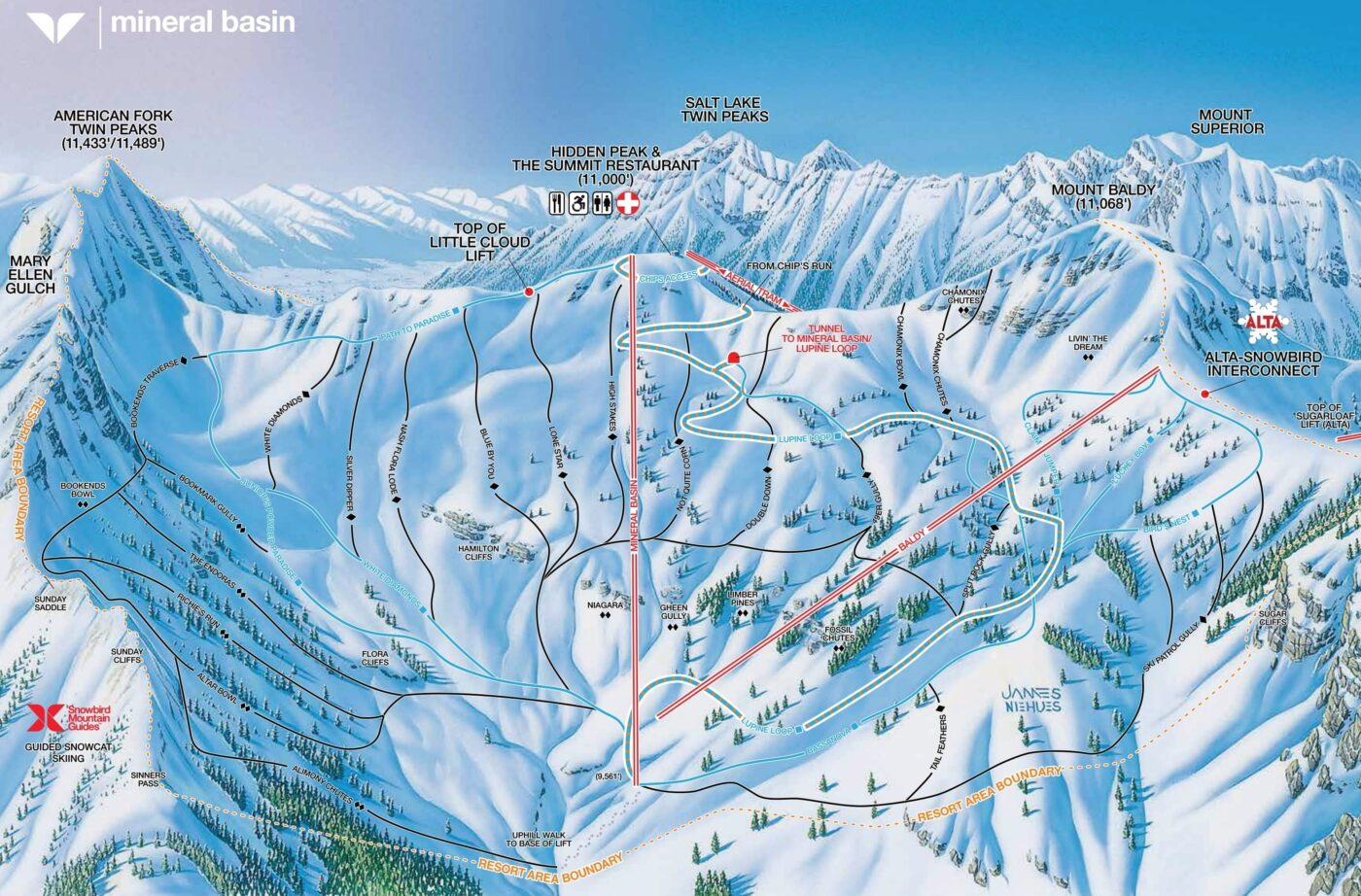
Snowbird Terrain: A Basic Map Navigation Guide
Navigating Snowbird’s vast 2,500 acres can be daunting. Instead of memorizing every trail, think of the mountain in four main sectors. The following overview will help you orient yourself with the trail map and choose the right lifts to find your preferred terrain.
Key Concept: The Two Sides of the Mountain
Snowbird is essentially split into two halves by the ridge that runs along the top of the resort. You can ski both sides from the summit.
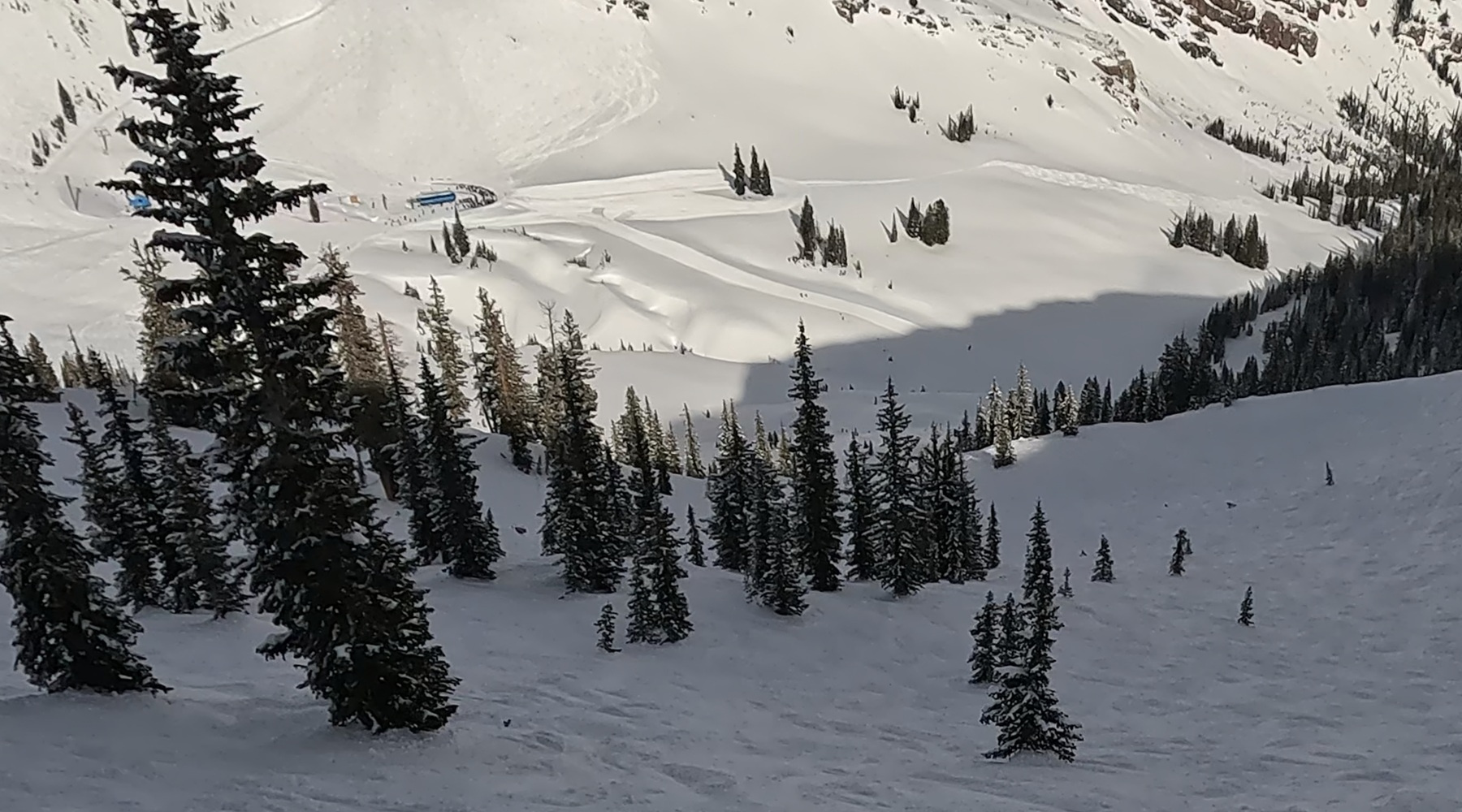
The Frontside: The north-facing main face of the mountain, visible from the base. It holds snow better.
Mineral Basin: The massive, south-facing backside area. It’s sunnier but gets sun-affected faster.
The Four Main Skiing Zones
Zone 1: The Frontside & Tram Core (Advanced Heartland)
- Primary Lifts: Aerial Tram, Peruvian Express, Gadzoom, Little Cloud Lift
- What to Expect: This is the steep, iconic core of Snowbird. The Tram gives you access to everything from the extreme cirques to wide bowls.
Zone 2: Mineral Basin (The Sunny Back Bowl)
- Primary Lifts: Mineral Basin Express, Baldy Express
- What to Expect: A huge, open bowl with stunning views. It feels like a separate resort.
Zone 3: Gad Valley (The Sheltered Mix)
- Primary Lifts: Gad 2, Mid-Gad
- What to Expect: A long, winding valley that offers a bit of everything and is often more sheltered from weather.
Zone 4: Baby Thunder & The Beginner Areas (The Learning Grounds)
- Primary Lifts: Baby Thunder, Chickadee, Wilbere
What to Expect: This is the dedicated area for beginners and families, located on the far looker’s right of the map.
The Mountain: A Terrain Breakdown for Every Skier
Beginners & First Timers
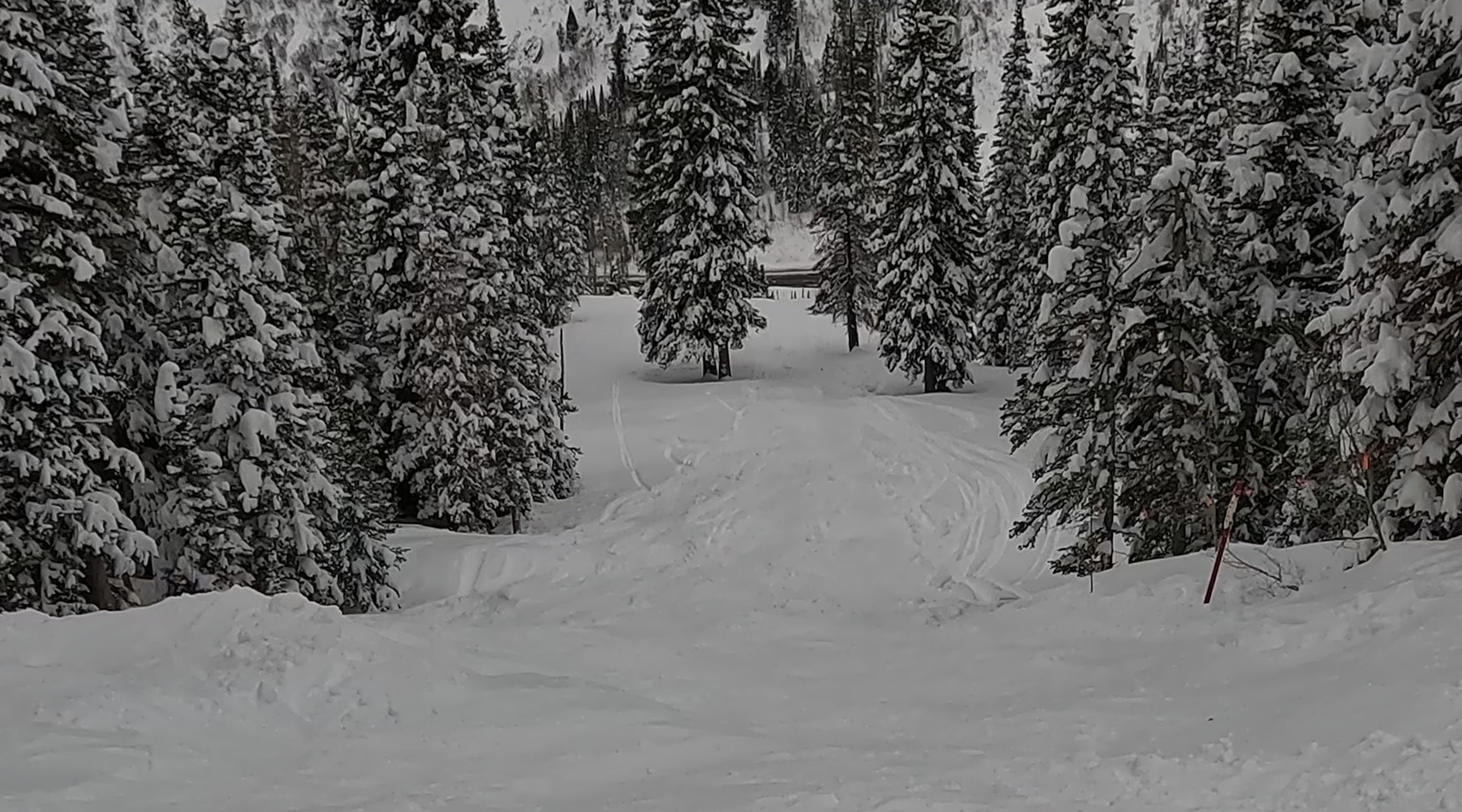
Snowbird is a challenging mountain for newcomers. The dedicated Chickadee lift offers a safe learning zone. Beyond that, beginners are limited to a few green trails on the lower mountain (Miners Road, Middle Emma). To truly explore, you’ll need to level up to easier blue runs.
Intermediate Skiers
Confident intermediates will find fun, but options are strategic. Look for these gems:
- Bananas & Election (Gad 2): Winding, confidence-building cruisers away from the main crowds.
- Chips Run: An epic, long, rolling blue trail; a must-do for any visitor.
- Mineral Basin Blues: Enjoyable but expect traffic as runs funnel toward the lifts.
Advanced & Expert Skiers: This is Your Playground
Welcome to paradise. Snowbird’s true character is in its advanced terrain.
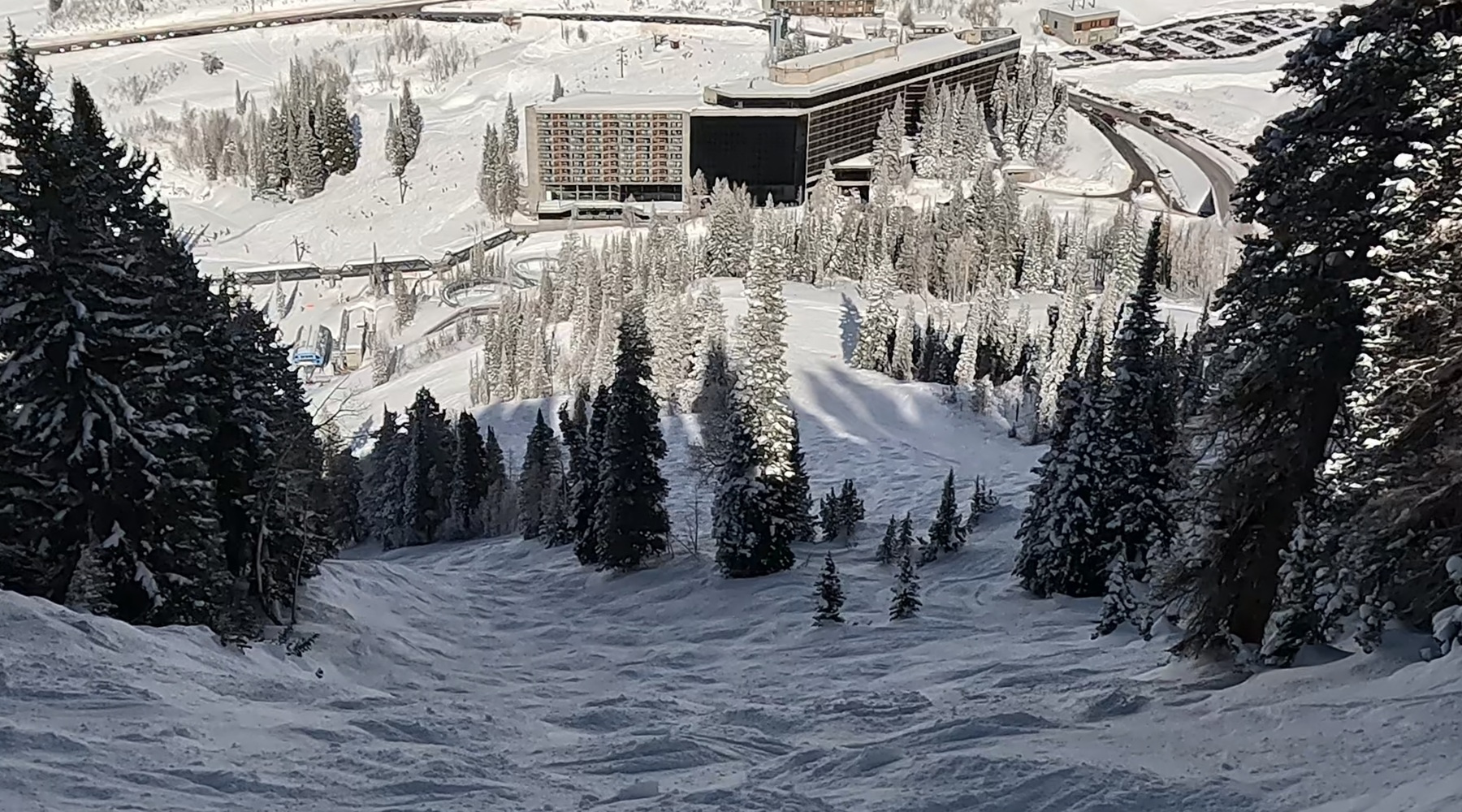
- The Tram & Cirque: For the steep and technical, head here. Upper Cirque and Dalton’s Draw require a committing traverse but deliver unforgettable lines.
- Little Cloud Lift: Perfect for quick, expert laps on the upper mountain when the tram line is long.
- Mineral Basin & The Frontside: Find endless bowl skiing, chutes, and gullies. Regulator Johnson and Shreen are classics.
MTNhack: To escape crowds, make the journey to Tiger Tail or Thunder Alley; you’ll be rewarded with secluded stashes.
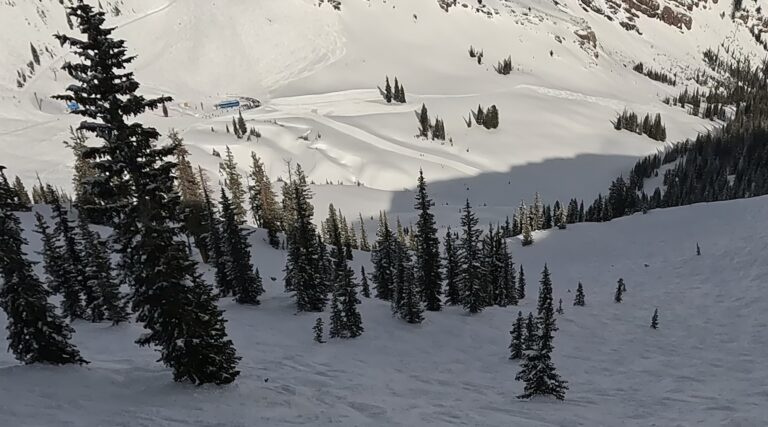
Richie's Run
Enlarge ImageInsider Tips & Quirks (The Good & The Gnar)
- Snowboarders, beware: Many of the best zones require long, flat traverses. Holding speed is crucial and can be challenging.
- Lift Queue Strategy: The Tram, Peruvian, and Gadzoom lifts have morning queues. On windy days, Peruvian and Gad 2 are more sheltered. For shorter lines, try Baby Thunder.
- The Alta Connection: Ikon Pass holders or those looking for a change of pace can ski over to Alta Ski Area for even more terrain (skiers only).
- Weather is Everything: South-facing Mineral Basin gets sun-baked, while north-facing Frontside holds better snow. A big storm can close the canyon for hours—or days. Be prepared.
When to Go & Where to Stay
- Best Time to Visit: For the best mix of great snow and manageable crowds, aim for late January through February. March brings epic snow but also spring break crowds.
- Accommodation: Staying at the resort base is a pricey but unparalleled ski-in/ski-out experience (with the small risk of getting snowed in). For more options and value, look to Salt Lake City.
The Final Verdict
Snowbird is a resort built for the expert skier. It offers a raw, challenging, and incredibly rewarding experience for those who crave steep, technical terrain and deep powder. Confident intermediates will find thrilling challenges, but beginners may feel limited.
Come for the legendary stats, stay for the stories you’ll tell after immersing yourself in this exceptional terrain.
Ready to tackle Snowbird? Check out our trail and lift videos to perfectly plan your attack on this unforgettable mountain.